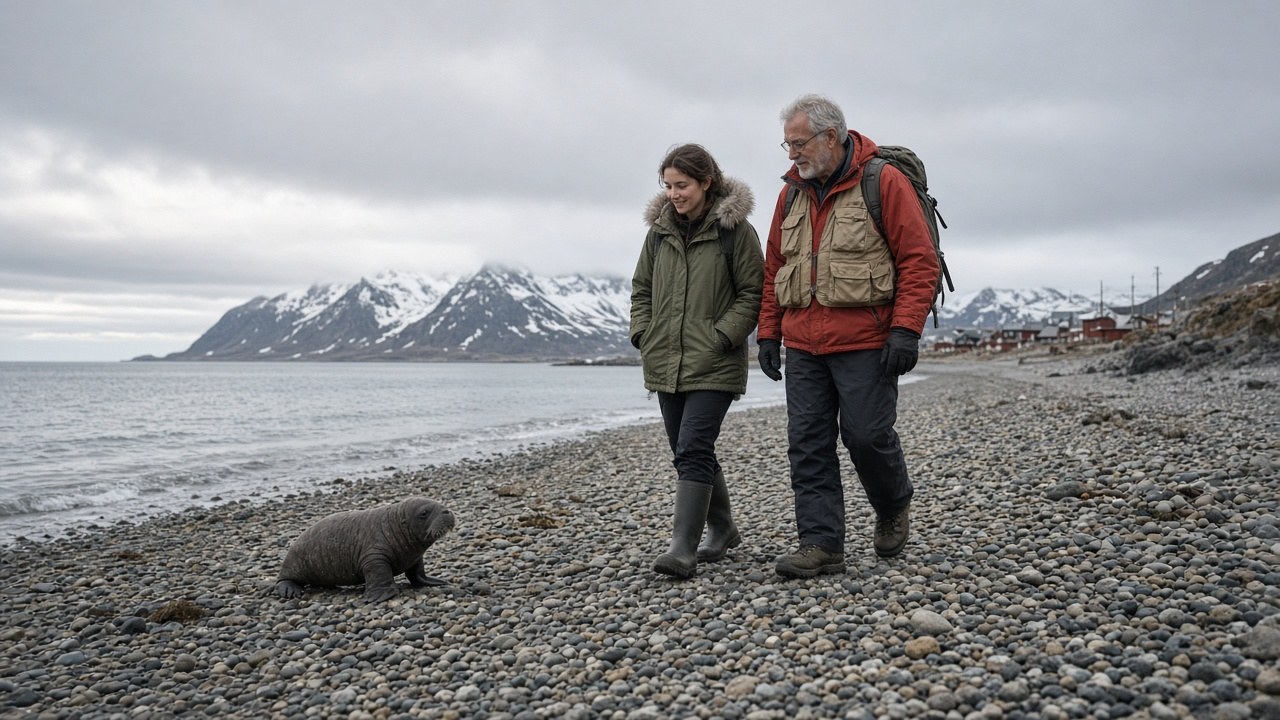
A college student counting dead walruses on a beach in Arctic Alaska saw something no one expected: one of the bodies was breathing. Tucked between two carcasses near Point Lay, on Alaska’s northwest coast, was a living Pacific walrus calf — orphaned, alone, and with bear tracks not far away.
That student, Violet Anniskett, named the baby Annautaq after her late father. What happened next — a community decision, a few nights in a cabin, a boat, a plane, and a long drive — is one of the most quietly beautiful rescue stories of the fall. She shared it with Casey Grove of Alaska Public Media in an interview published October 12, 2026.
“I Saw the Stomach Move”
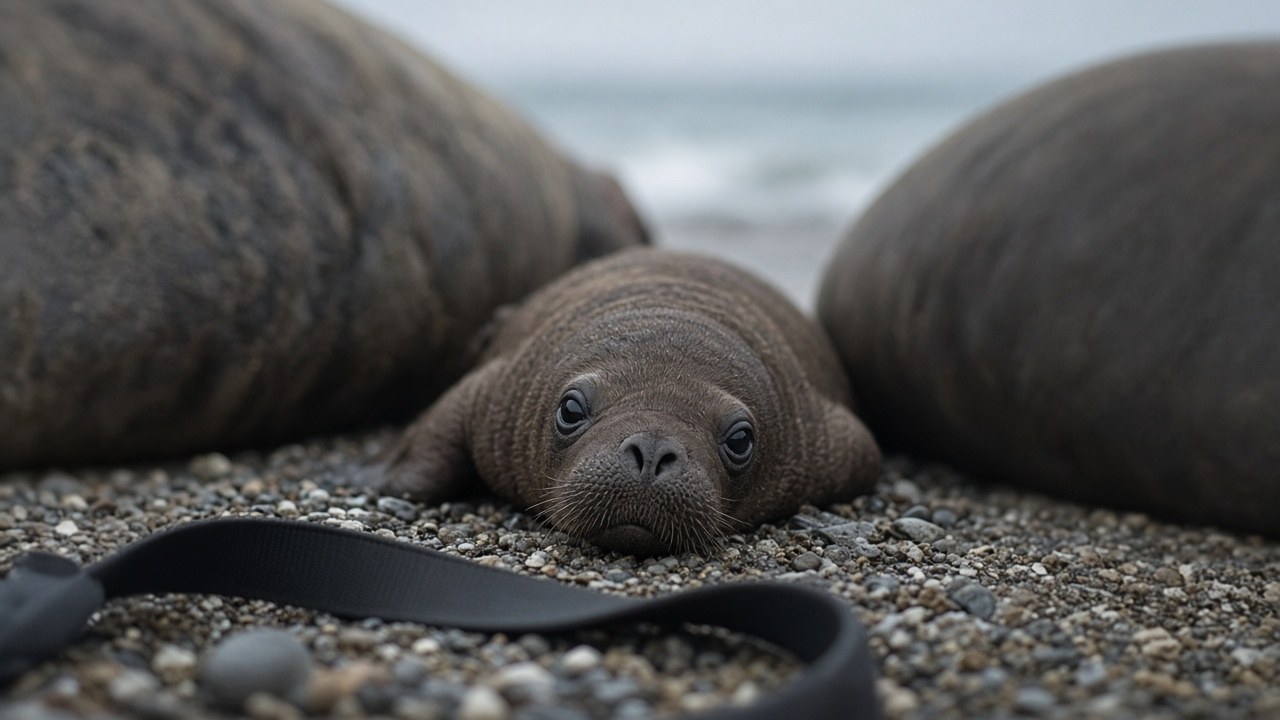
In mid-September, Anniskett was helping U.S. Geological Survey walrus researcher Tony Fischbach with fieldwork near Point Lay, her hometown. Her job that day was simple and somber: photograph the walrus carcasses on the beach so they could be counted later.
Then one of them moved.
“I was taking photos of all the carcasses so that I can go back and count them, and I saw the stomach move,” she told Alaska Public Media. She stepped closer — and the calf’s eyes opened.
It was a baby walrus, wedged between two carcasses, and it was an orphan. And as Anniskett pointed out, bear tracks were nearby. Left on that beach, the calf’s chances were not good.
The Community Decided First
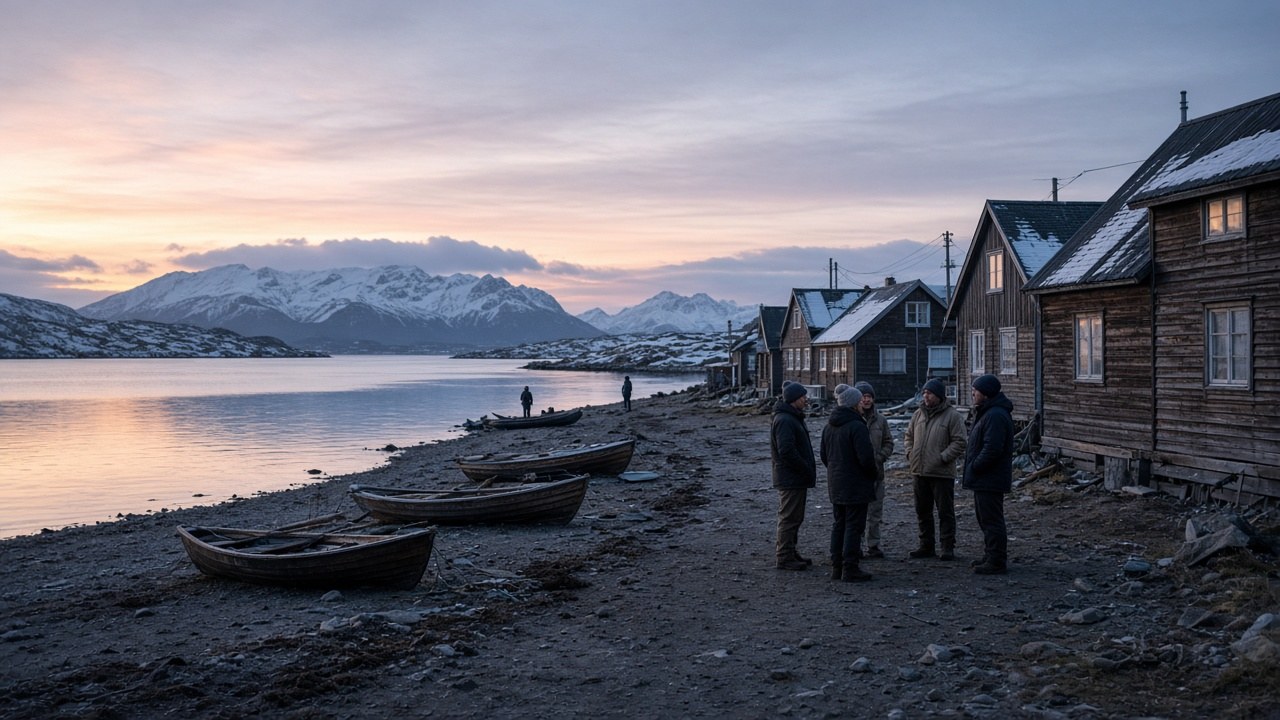
Fischbach had connections and started making calls. The Alaska SeaLife Center in Seward said it could take the calf. But before anyone moved, Anniskett says, there was a more important step.
People in the region hunt walrus for subsistence, and that way of life runs deep. “It was very important for us to ask the community first,” she said. Only after the community decided together did the rescue go forward.
She admitted it was hard to think about the other possibility — “Oh, it’s a baby,” she remembers thinking. But she also understood that the choice wasn’t hers alone to make. Taking the calf, she explained, would be taking it from the community. She trusted her community to decide what was best, and it chose to let the calf go to the SeaLife Center.
It is a part of the story that is easy to skip and worth slowing down for. This rescue started with respect — for an animal, and for a culture that has lived alongside walrus for generations.
Nights in the Cabin
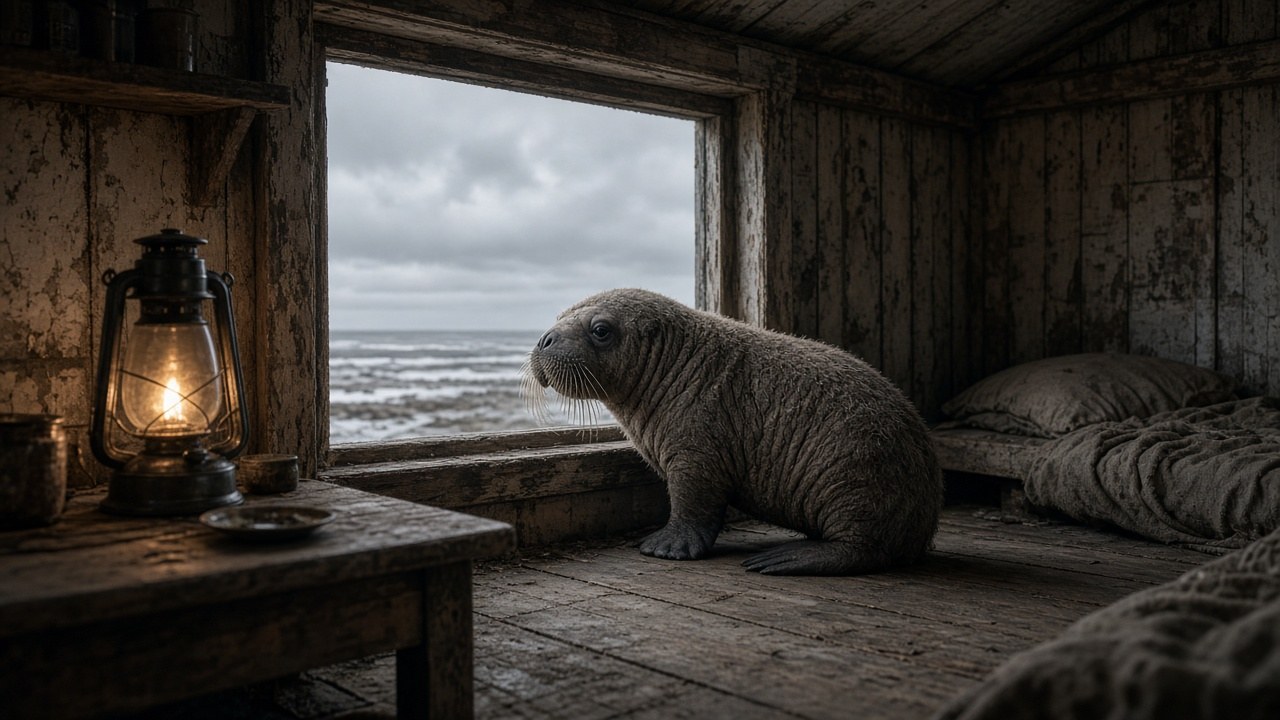
Getting the calf off the beach turned out to be the easy part. “We walked him all the way to our camp,” Anniskett said. Somehow the calf followed them the whole way, and then through an old broken door into the field cabin.
She tried making walrus sounds to calm him. He looked at her face, she said, seemed to realize she was not a walrus, and wandered off.
The first night was the hardest. The calf was afraid of them and, she believes, missing his mother. He walked around making sad little “hoo, hoo” sounds and went to the windows to look outside. Someone had to stay with him through the night.
Anniskett said she held on to one thought: if they let him be sad now, he would be so happy within a year.
Alaska Public Media’s interview describes this stretch as a few days. Exactly how many nights the calf spent in the cabin is not specified, so we won’t put a number on it.
A Baby Who Couldn’t Sleep Alone
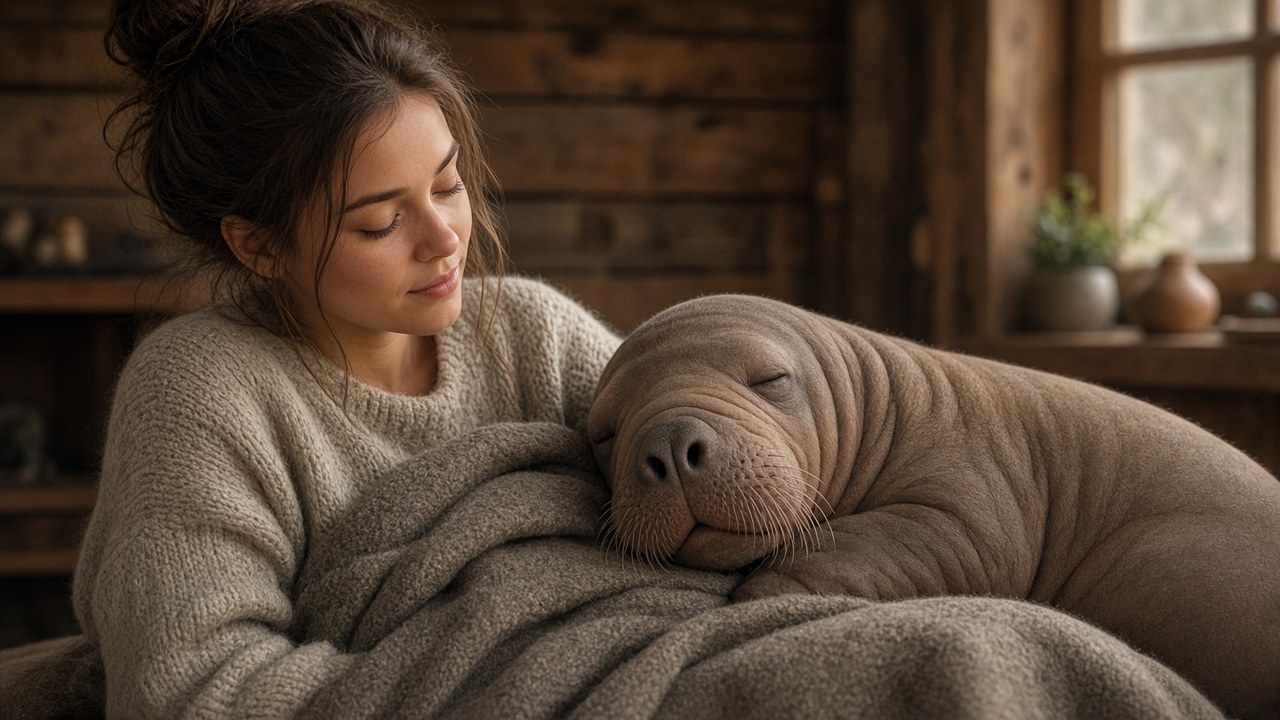
Then the fear wore off. The calf began coming to the people caring for him, lying down next to them and falling asleep. Fischbach, whom Anniskett calls “Mr. Tony,” was more comfortable with the calf at first and would cuddle and snuggle with him. “He was like an actual baby, the walrus,” she said.
By day two, Anniskett got more comfortable too — she admits she had been as afraid of him as he was of her. Soon Annautaq could barely sleep unless one of them was in the room.
She described one moment that says everything. The calf had fallen asleep with his snout resting on her leg. She slipped away and sat behind him. He opened his eyes, saw she was gone, lifted his head and started his “hoo, hoo” call — then turned, spotted her behind him, and went right back to sleep.
“I was so happy we were able to take care of him and bond with him a little bit before he had to leave,” she said.
Boat, Plane, Road — and a New Home
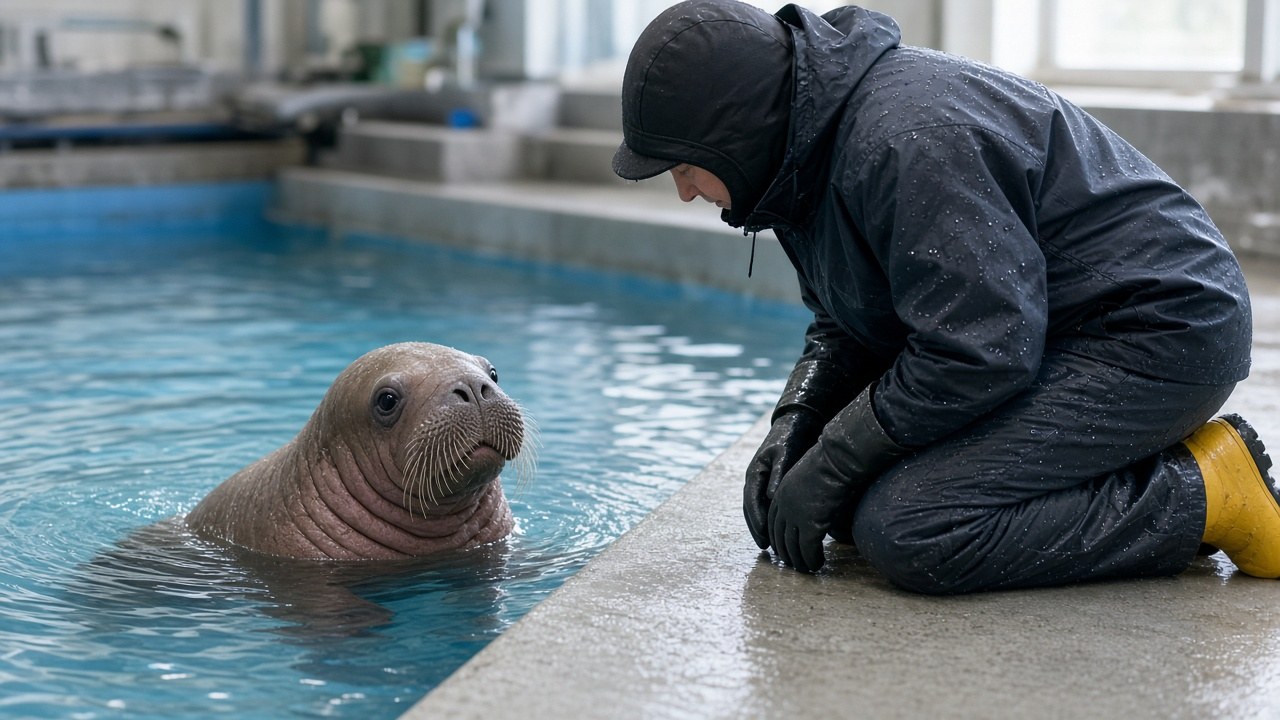
Leaving took a whole relay. People from Point Lay brought a boat to carry Annautaq across the lagoon back to town. From there the group drove to the airport, where the SeaLife Center team moved him into a heavier-duty kennel. That took a while — the calf was upset and had no idea what was happening.
Anniskett got an extra seat and flew with the team all the way to Anchorage. From Anchorage, they drove to Seward. By the end, Annautaq was more than 800 miles from the beach where he was found.
She said the goodbye felt “very accomplishing.” It was a little sad, but mostly exciting: he would get used to a bottle, eat whenever he wanted, and swim in a little pool. “I felt so happy knowing that he was in good hands,” she said.
Alaska SeaLife Center staff say the calf is doing well and was recently transferred to a long-term home. The report does not name that facility, so we won’t guess.
A baby walrus that should have been lost on a beach is alive and thriving because a young woman noticed the smallest movement, a community made a hard choice with care, and a handful of people stayed awake with a frightened calf until he felt safe enough to sleep. And somewhere out there, a young walrus now carries the name of Violet Anniskett’s father.
Related Posts
 Firefighters Saved a Cat From a Grass Valley Apartment Fire, Then Brought It Home to a Tearful Family
 Lana’s Story Part 20: The Name in the Locksmith Log
 Gelato the Kitten Got a Hot Wheels Wheelchair. This Week He Got a Forever Home
 He Built a Path of Chairs Through Campus Floodwater. TikTok Called It Chivalry
 Lana’s Story Part 19: The Quitclaim at Midnight
 Wildfire Fosters Saved 150+ Gainesville Pets. Nearly Every One Found a Forever Home