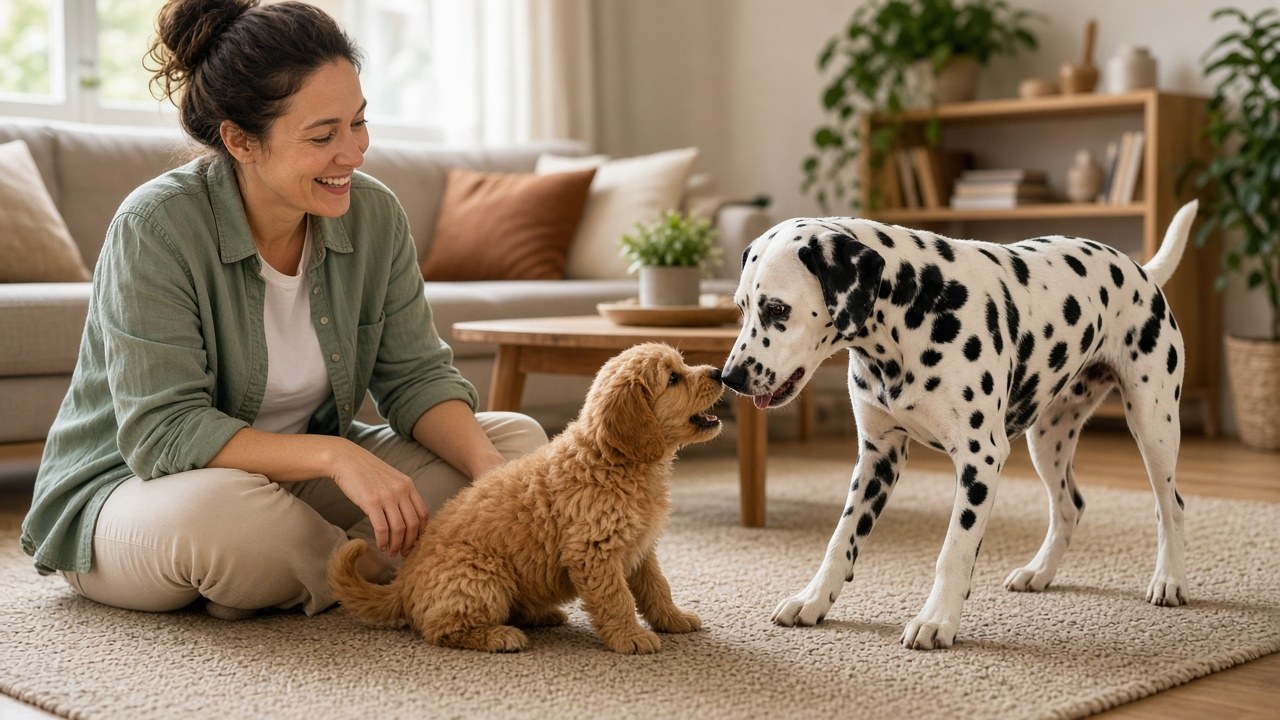
He looked like any other happy puppy. He ran and played as hard as every one of his littermates. But hidden inside his chest was a heart defect that, left untreated, could have killed him.
Today, the little poodle mix now called Teedee is healed, thriving and home for good — with the veterinarian who first opened her door to him as a medical foster. Washington State University shared his story on October 5, 2026.
One of 38 Dogs Pulled From a Hoarding Case
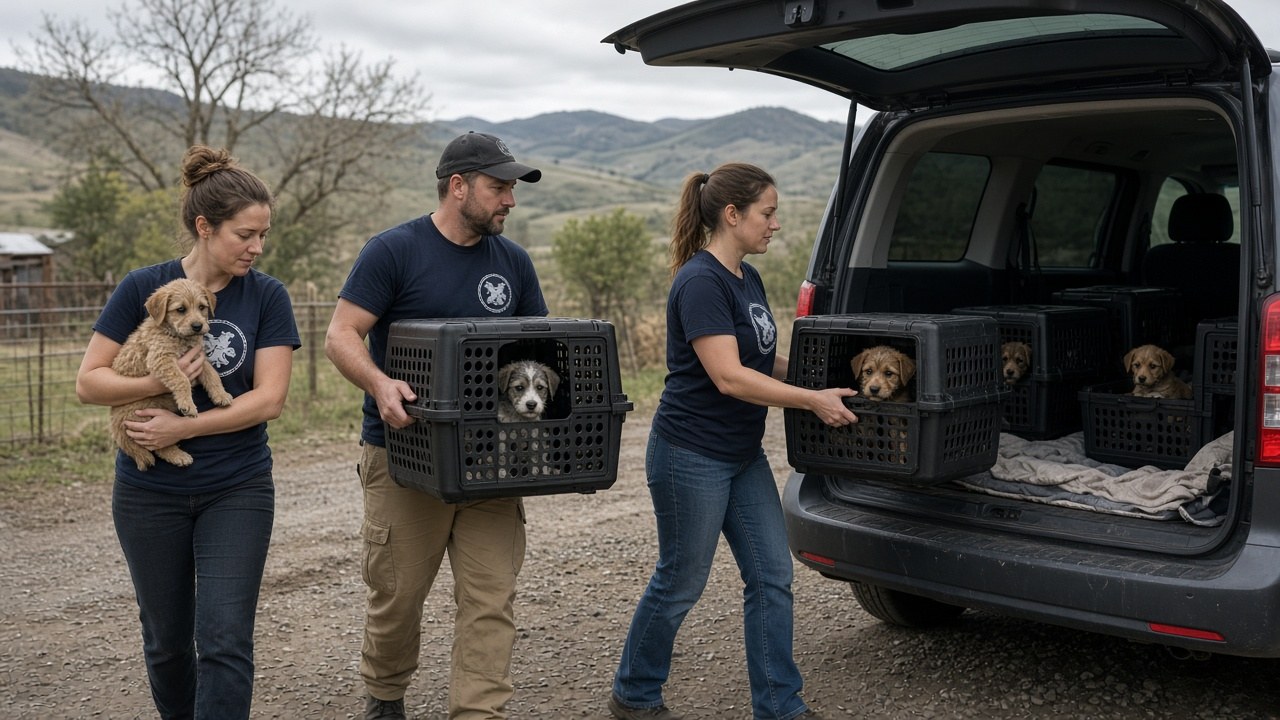
Teedee’s story began this summer in Benewah County, Idaho, where the Idaho Animal Rescue Network took custody of 38 dogs and puppies from a home where animals had been living in severely neglected conditions.
Back then, he had a different name: Pepe. WSU veterinarians helped the rescue assess the dogs’ medical needs, and that is where his luck began to turn.
During his first exam, WSU veterinarian Dr. Cassidy Cordon heard something worrying — a significant heart murmur.
A Murmur That Turned Out to Be Serious
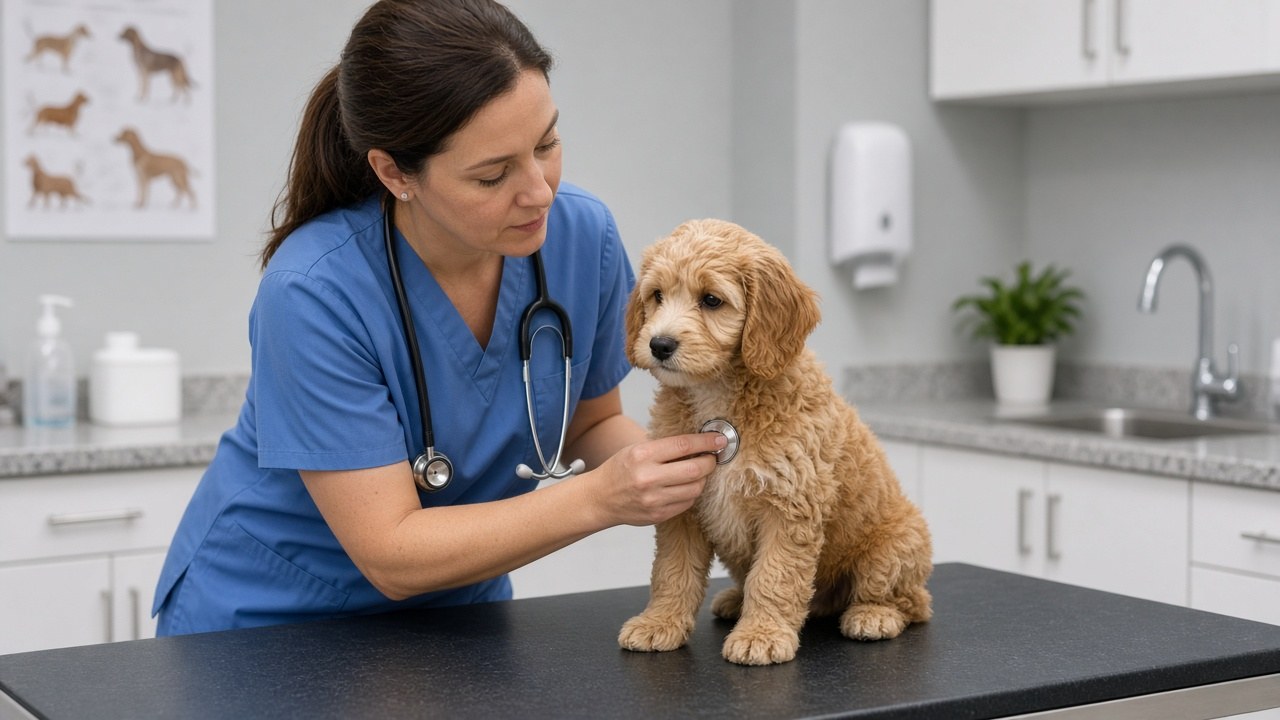
A follow-up exam confirmed the diagnosis: patent ductus arteriosus, or PDA. It is a congenital defect in which a blood vessel that a puppy needs before birth fails to close afterward. That forces the heart to work harder and harder, and without treatment it can eventually lead to heart failure.
What made it so heartbreaking was how healthy he seemed. “You never would have known anything was wrong with him,” said Idaho Animal Rescue Network Director Jenna Redheart, who first cared for him in her own home. “He played and ran as hard as all his littermates.”
The good news: PDA can often be corrected. And thanks to community fundraising that helped cover the cost of care, Teedee was able to get the procedure he needed.
A Foster Who Saw Her Late Dog in His Face
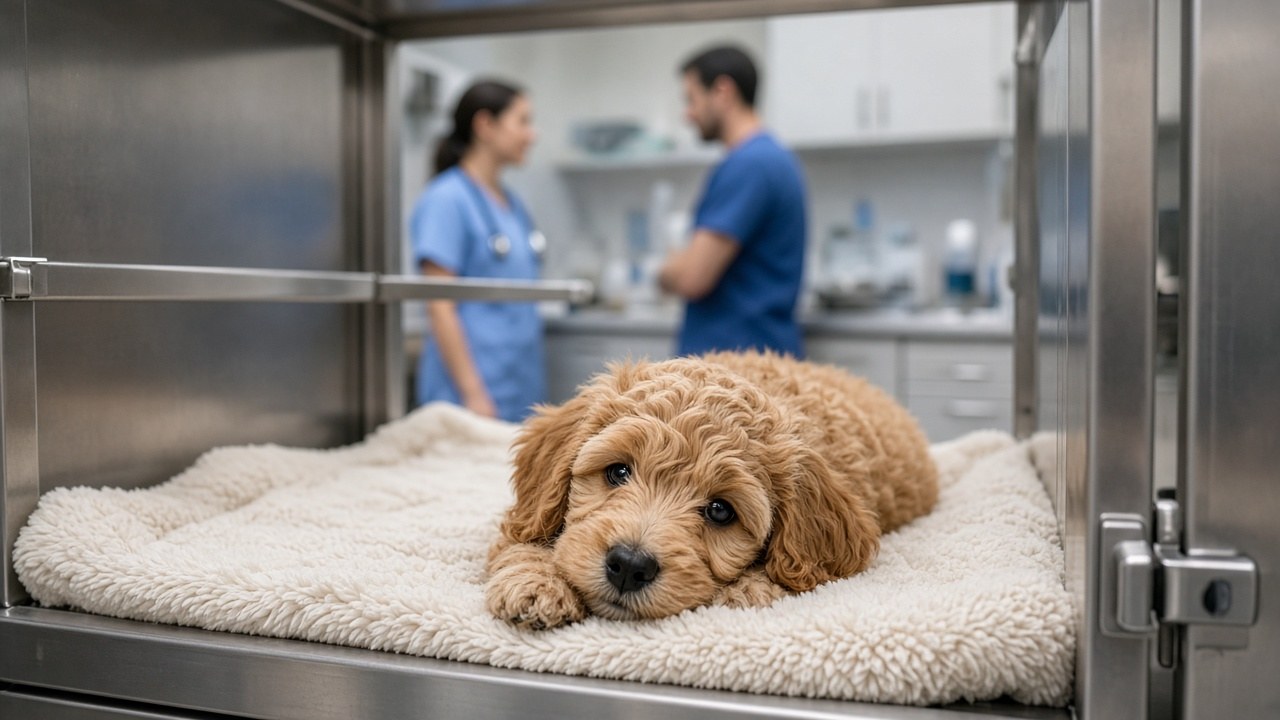
There was one more problem to solve. After surgery, the puppy would need to stay very still and quiet for 30 days — so the rescue needed a very specific kind of medical foster. They put the word out and got lots of responses.
One came from Dr. Laura Williams, a WSU veterinary pathologist who had recently lost her 12-year-old dog, Duke. When she saw a social media post about the puppy, she could not stop noticing how much he looked like Duke.
“I felt like it was my calling to do it, a way to honor Duke,” Williams told WSU. “It felt right.”
She was also a perfect fit on paper: a veterinarian who worked at WSU’s Washington Animal Disease Diagnostic Laboratory, just a short walk from the Veterinary Teaching Hospital where the surgery would happen. Teedee moved in a few weeks before his procedure and quickly became best friends with her 5-year-old dalmatian, Lelu.
Surgery Went Smoothly. Keeping Him Calm Did Not
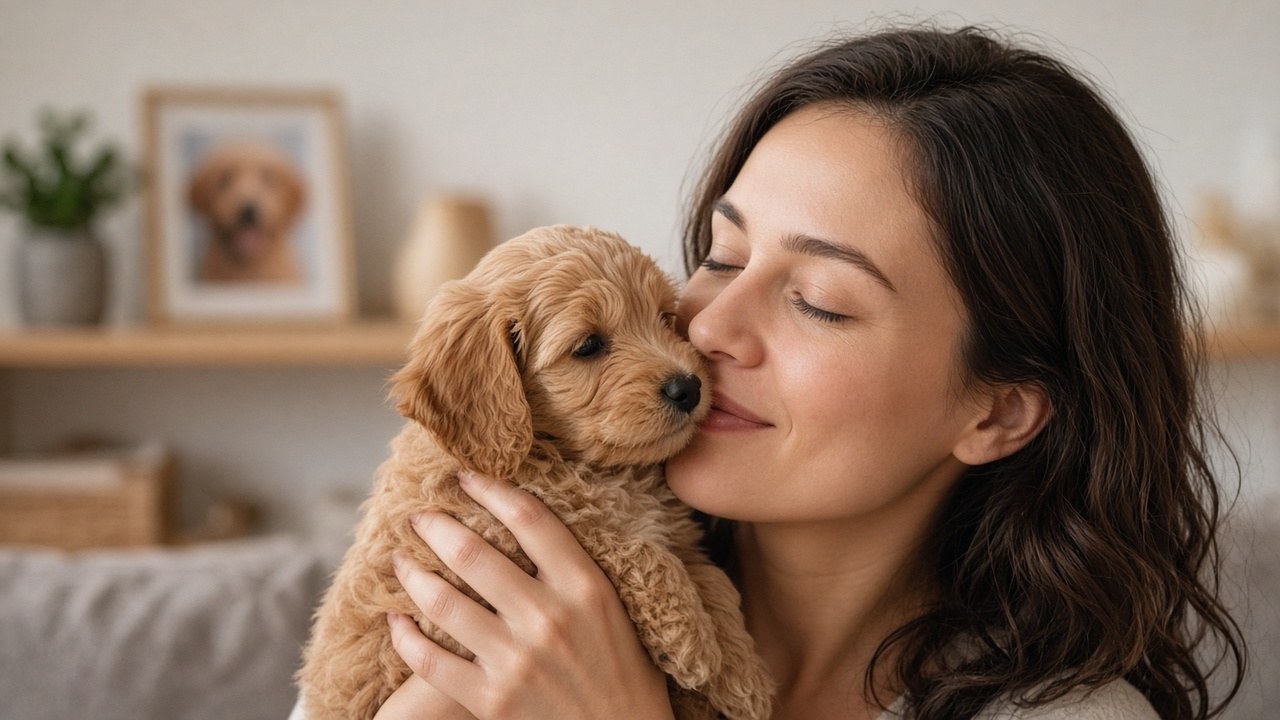
At WSU’s Veterinary Teaching Hospital, cardiology resident Dr. Sarah Bayles performed a minimally invasive procedure to correct the defect, under the supervision of Dr. Ryan Baumwart. The surgery and recovery went smoothly, and follow-up checks showed excellent results.
The real challenge was the patient himself. “The hardest part was keeping him quiet,” Williams said. If she had let him, she added, he would have been doing zoomies and circles all over the very next day.
Now fully recovered, Teedee is expected to live a normal, healthy life.
Foster Fail, Forever Home
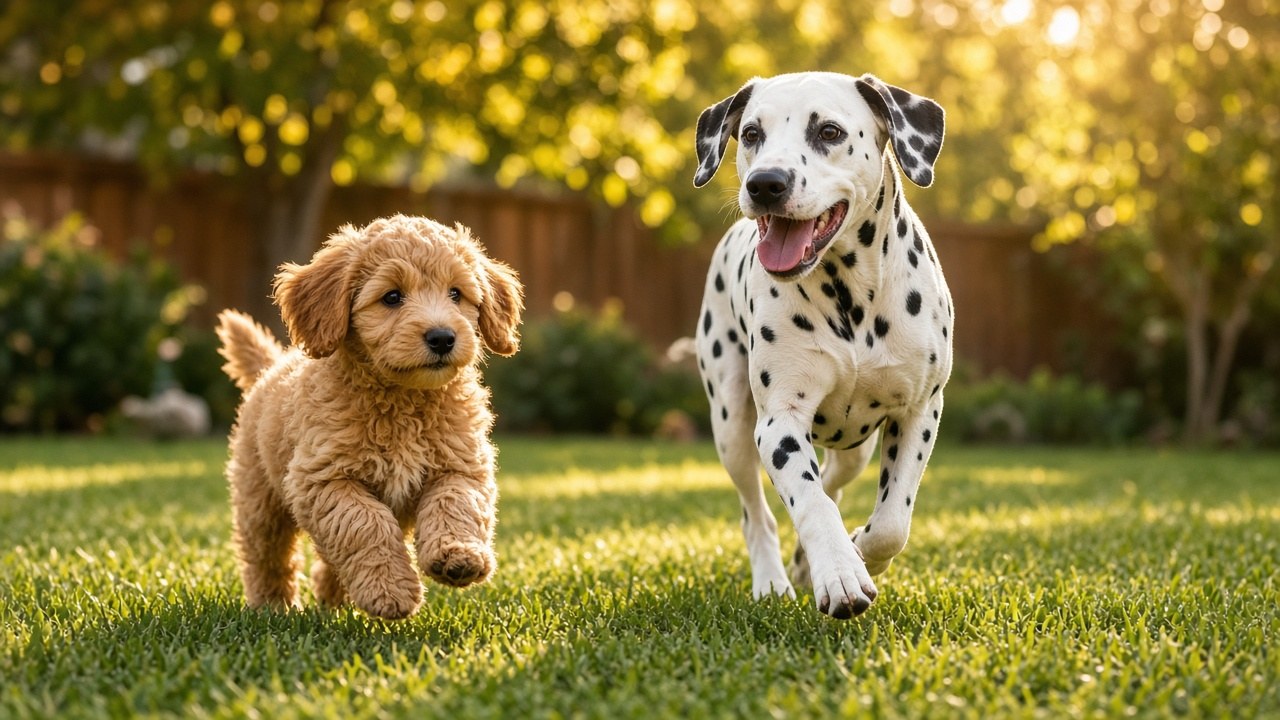
Somewhere along the way, the medical foster became a forever home. Williams adopted him.
“He’s such a sweetheart,” she said. “He loves people. He loves my other dog. He loves the cat. Everybody in the household has fallen in love with him.”
Williams said she is thankful to the rescue for saving Teedee and his littermates, and glad WSU’s vets caught the PDA in time. Redheart said having WSU nearby makes an enormous difference for the rescue’s toughest medical cases.
From a hoarding house to a heart surgery to a couch shared with a dalmatian and a cat — not bad for a puppy who once looked perfectly fine while his heart quietly struggled.
Source: WSU Insider, College of Veterinary Medicine (Oct. 5, 2026).
Related Posts
 Firefighters Learned Pet CPR. A Week Later They Helped Deliver 15 Puppies
 Lana’s Story Part 21: What Was Hidden in the Hayloft
 Firefighters Saved a Cat From a Grass Valley Apartment Fire, Then Brought It Home to a Tearful Family
 She Saw a ‘Dead’ Walrus Breathe. Then She Saved the Orphaned Calf and Named Him After Her Late Father
 Lana’s Story Part 20: The Name in the Locksmith Log
 Gelato the Kitten Got a Hot Wheels Wheelchair. This Week He Got a Forever Home