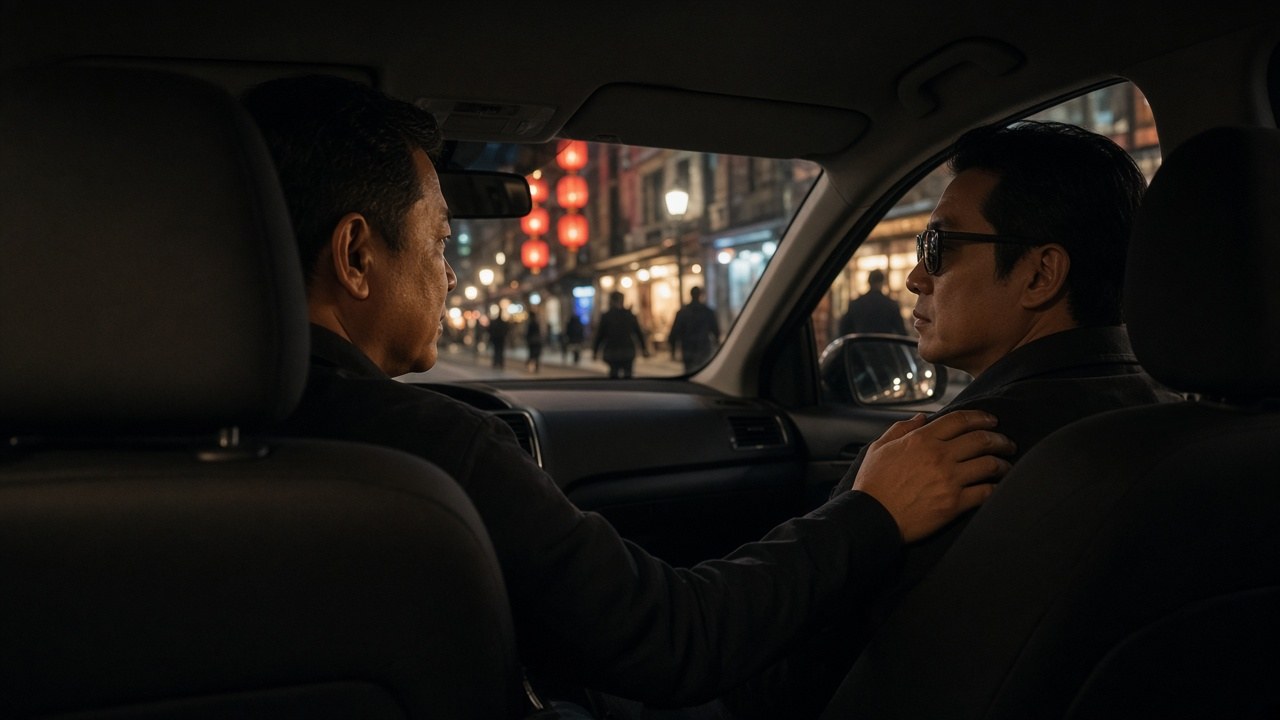
It was supposed to be an ordinary ride across Chengdu. A man needed to get to his friends, a driver accepted the booking, and the app did the rest.
But somewhere between the pickup and the drop-off, two strangers ended up in tears, a video of their conversation reached millions of people, and a lonely holiday turned into the start of a friendship.
A Booking Marked “Accessible Service”
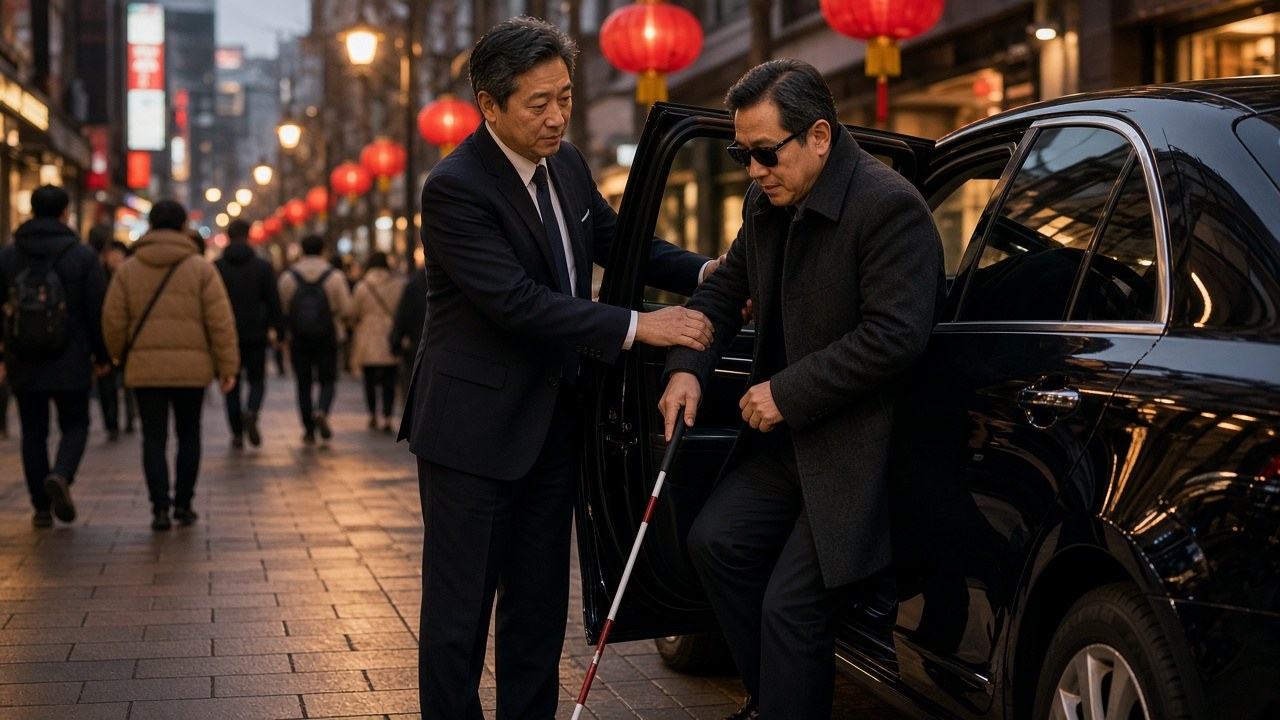
The ride took place on September 25, the day of China’s Mid-Autumn Festival, a holiday when families traditionally gather together.
The passenger, a 49-year-old massage worker surnamed Ou, is blind. Because he is registered with a disability certificate, the ride-hailing app automatically marked his booking as an accessible service request. The driver, surnamed Wang, later explained that these bookings are not assigned to any particular driver. Anyone can pick them up.
Wang did. When the app told him his passenger was blind, he got out of the car to meet Ou and help him inside.
Once they were moving, Ou asked a question he had clearly asked himself many times. Had the driver been reluctant to take the ride once he knew who it was for?
Wang told him there was nothing unusual about helping someone. Everybody needs help sometimes, he said, and people should try to understand one another.
“Can You See Any Light at All?”

As they talked, Wang gently asked whether Ou could see anything. Even a little light?
Nothing, Ou said. A high fever had damaged his sight when he was just over a year old. He had not seen even a glimmer of light in about 48 years.
He told Wang more about his life. He grew up in Yibin, in Sichuan Province. His mother died when he was three, and his father passed away several years ago. In 1995, at 18, he left home to learn massage, and that skill has carried him to jobs across China, from Hangzhou to Beijing.
“Both my parents have passed away. I’m on my own now, and sometimes I feel sad during the holidays,” Ou said.
Wang was struggling to hold himself together. He became so emotional that he rolled up the car window so people outside wouldn’t see him crying.
“Brother, You’re Not Ugly”
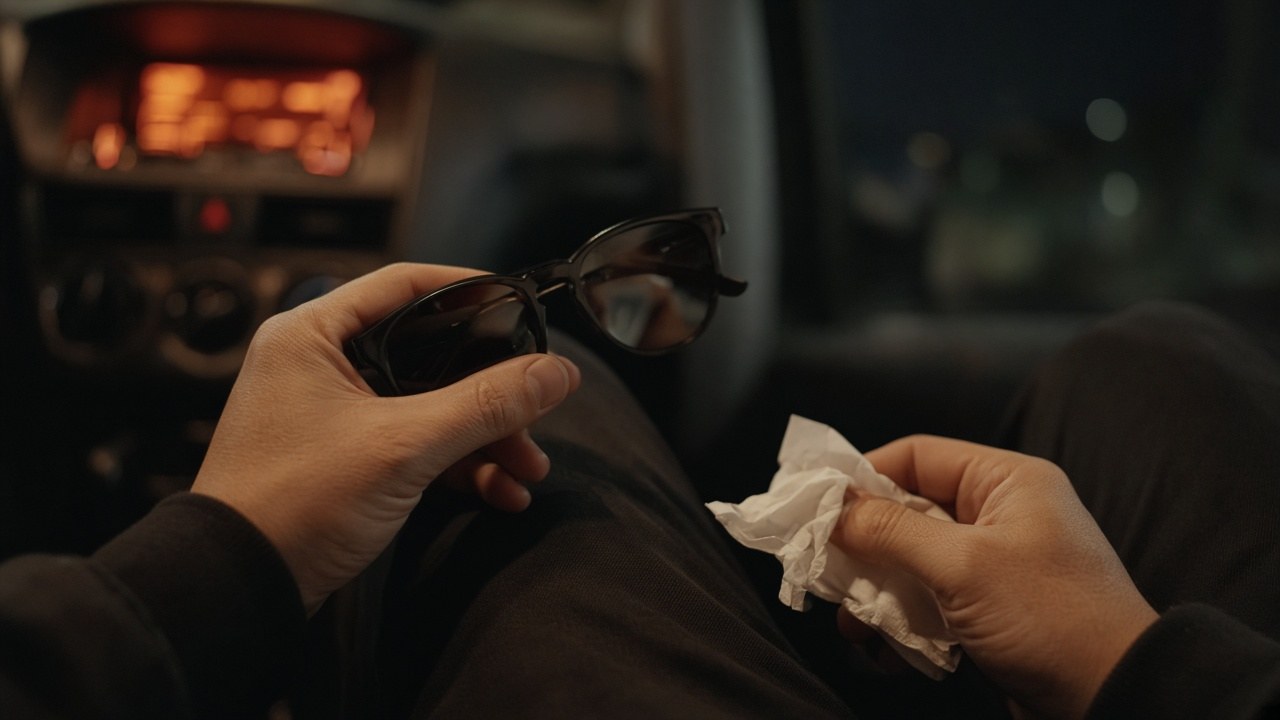
Then Ou took off his sunglasses.
He explained that he wore them because he thought his eyes looked ugly.
Wang’s answer was four simple words: “Brother, you’re not ugly.”
Ou reached for tissues. He was crying, but between the tears, he was smiling too.
Wang later shared the conversation online. The video spread across Chinese social media and, according to reports, collected more than 7.4 million likes, with viewers saying it had touched their hearts.
The Money He Wouldn’t Take
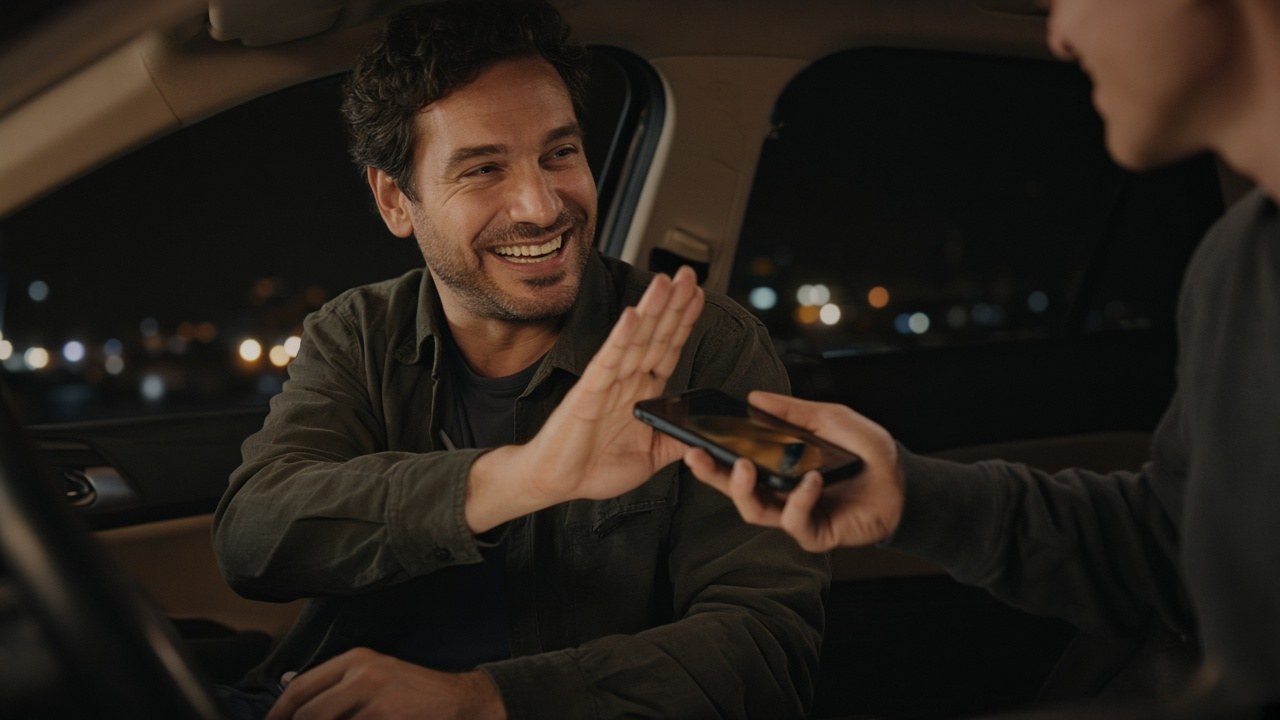
Ou wanted to do something for the man who had treated him so kindly. After they swapped contact details, he tried to send Wang some extra money on top of the fare.
Wang refused it.
“If you think of me as a friend, don’t send me this money,” he told him.
So Ou offered to top up Wang’s phone credit instead. Wang turned that down too. What he wanted to give Ou was simpler: if he ever needed help, he should call.
When a reporter later asked Ou why he had wanted to pay the driver extra, his answer was short. “He’s a good person.”
A Friend for the Long Road Home

Wang didn’t stop at kind words. He has pledged to drive Ou for free between Chengdu and his hometown, a trip of more than 200 kilometers (about 125 miles), whenever he needs a ride.
Ou, for his part, says that of all the places he has worked, Chengdu is where he has stayed the longest. The food suits him, his friends are there, and he remembers the people who have helped him get where he needs to go.
“I’ve been to so many places, but I still like Chengdu,” he said.
It started as one more booking on a busy holiday. It ended with a man who had spent the festival feeling alone being told, by a stranger who meant every word, that there was nothing wrong with the way he looked. Sometimes that is all it takes.
Related Posts
 A Stranger Honked Like Crazy at Their Car. A Tiny Kitten Was Hanging On Underneath
 A Teen Once Left Flowers on Strangers’ Cars Just Because. Now Her Family Does It for Her
 Lana’s Story Part 31: Two Blue Folders at the Pasture Gate
 A Tiny Bat Clung to a Porch for Two Days. Rescuers Soon Realized How Rare She Was
 He Admired the Lamborghini Every Morning While Cleaning the Gym Floor. Then the Owner Handed Him the Keys
 Lana’s Story Part 30: The Last Picture on the Card