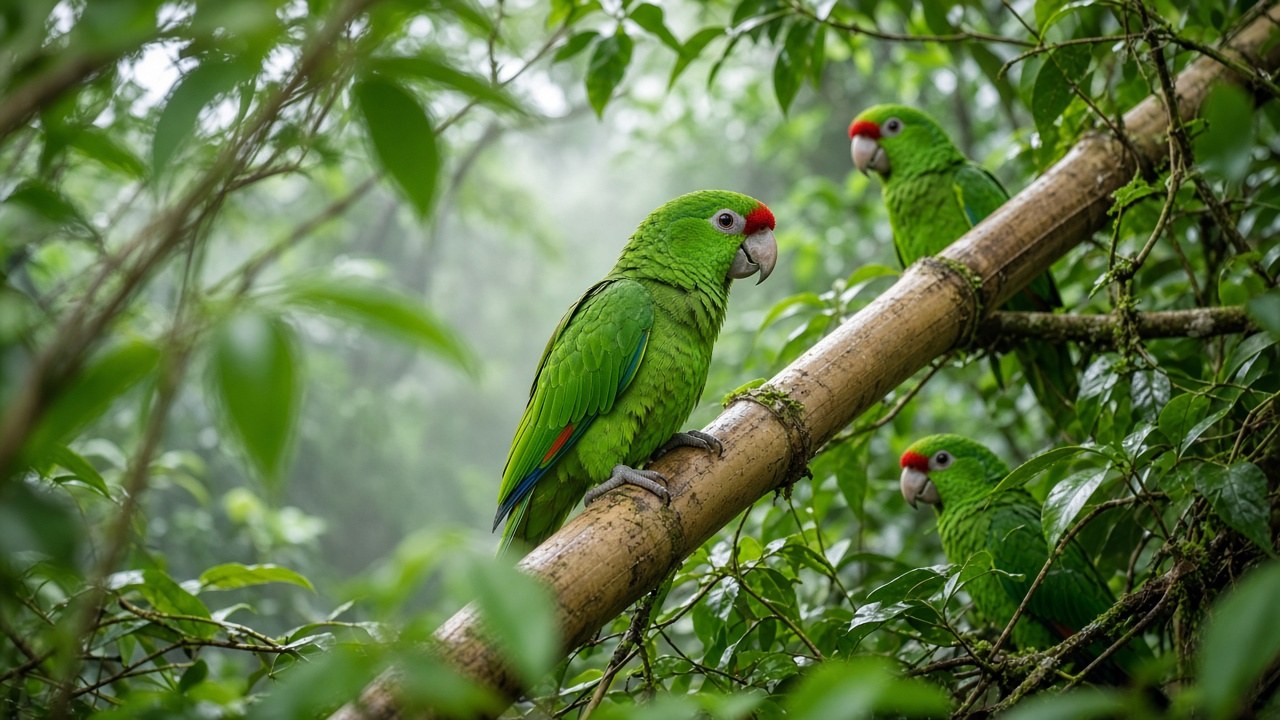
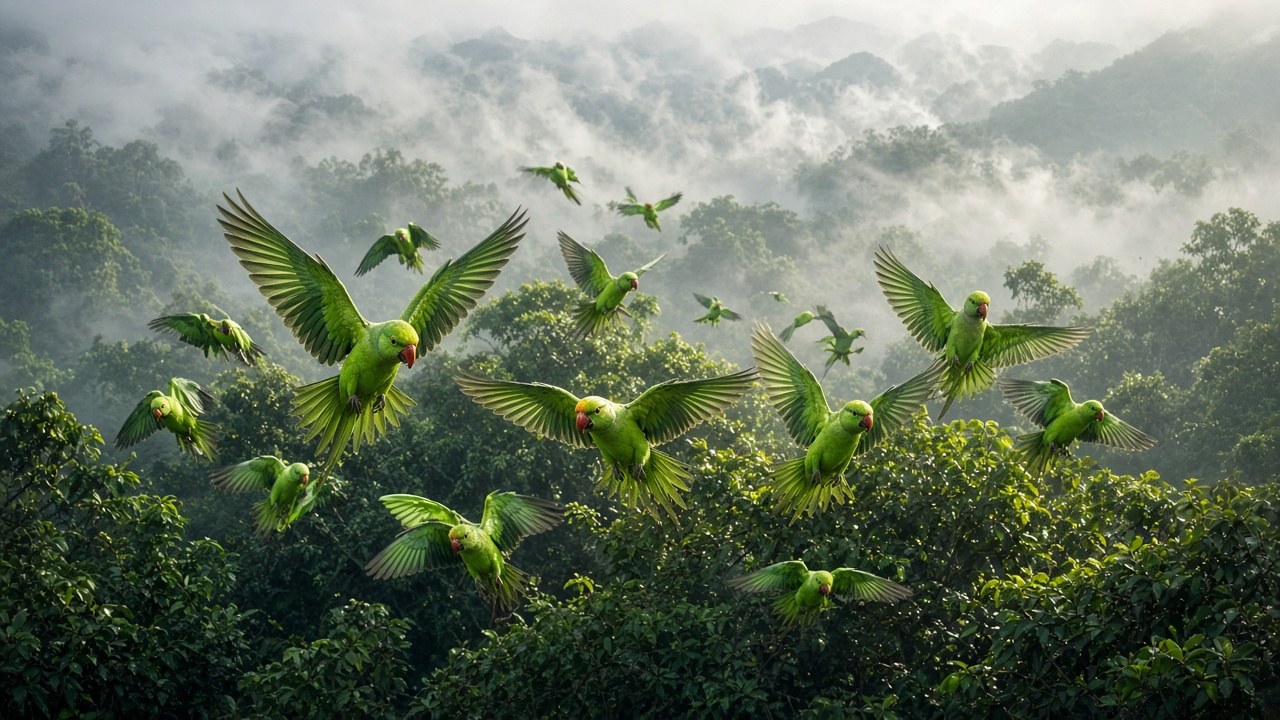
Deep in a mountain forest in western Puerto Rico, a flock of some of the rarest birds on Earth suddenly started screaming.
A biologist heard the commotion, followed it through the trees, and found out exactly why. One of their young was in the grip of a snake.
A Flock in a Panic
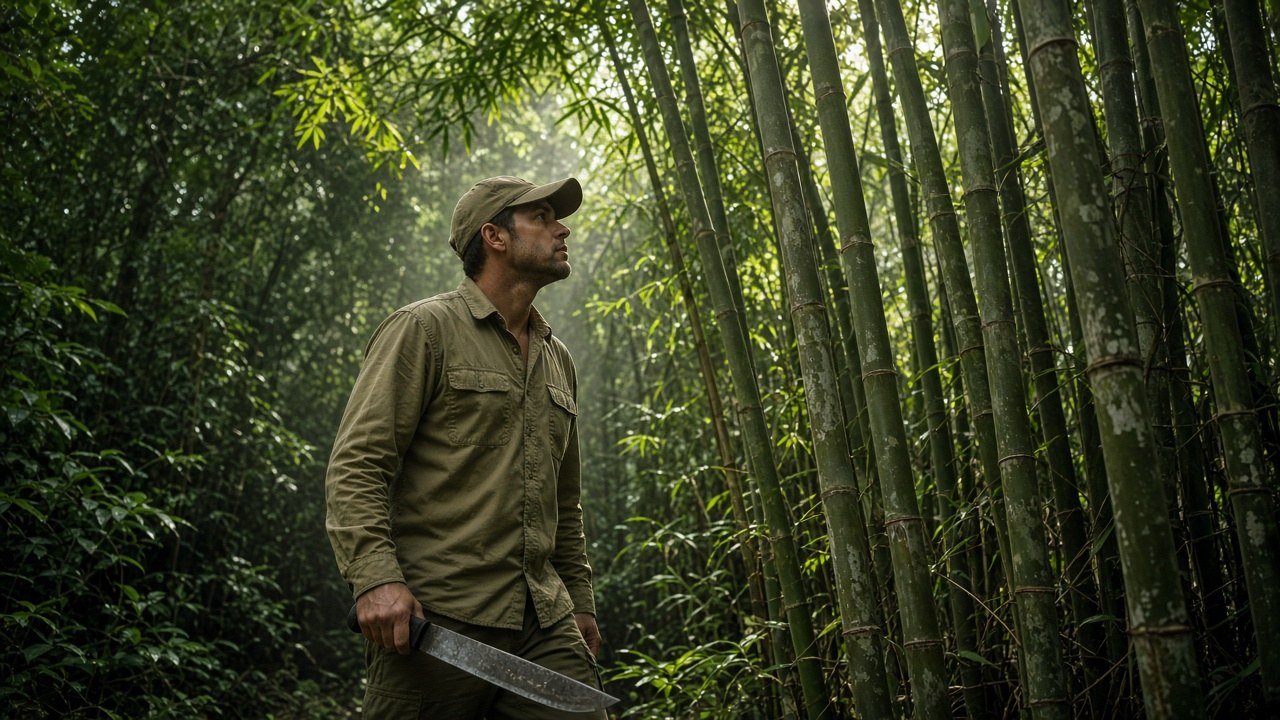
Raúl Correa works for the U.S. Fish and Wildlife Service as a biological science technician with the Puerto Rican Parrot Recovery Program in Maricao, on the western end of the island.
He was in the Maricao forest, near the agency’s Caribbean Ecological Services Field Office, when a flock of Puerto Rican parrots erupted in frantic, startled squawks.
Parrots make plenty of noise. But this sounded like an alarm. Correa followed the calls.
A Boa Wrapped Around a Baby
The calls led him to a bamboo stalk. High up on it, a red-tailed boa had coiled its thick body around a juvenile Puerto Rican parrot.
The young bird was barely a month out of the nest.
Correa didn’t have time to think it over. He cut the bamboo stalk. As it came down, the snake lost its grip and let the parrot go.
He also managed to capture photos of the moment, which the Fish and Wildlife Service later shared online.
One Night of Watching
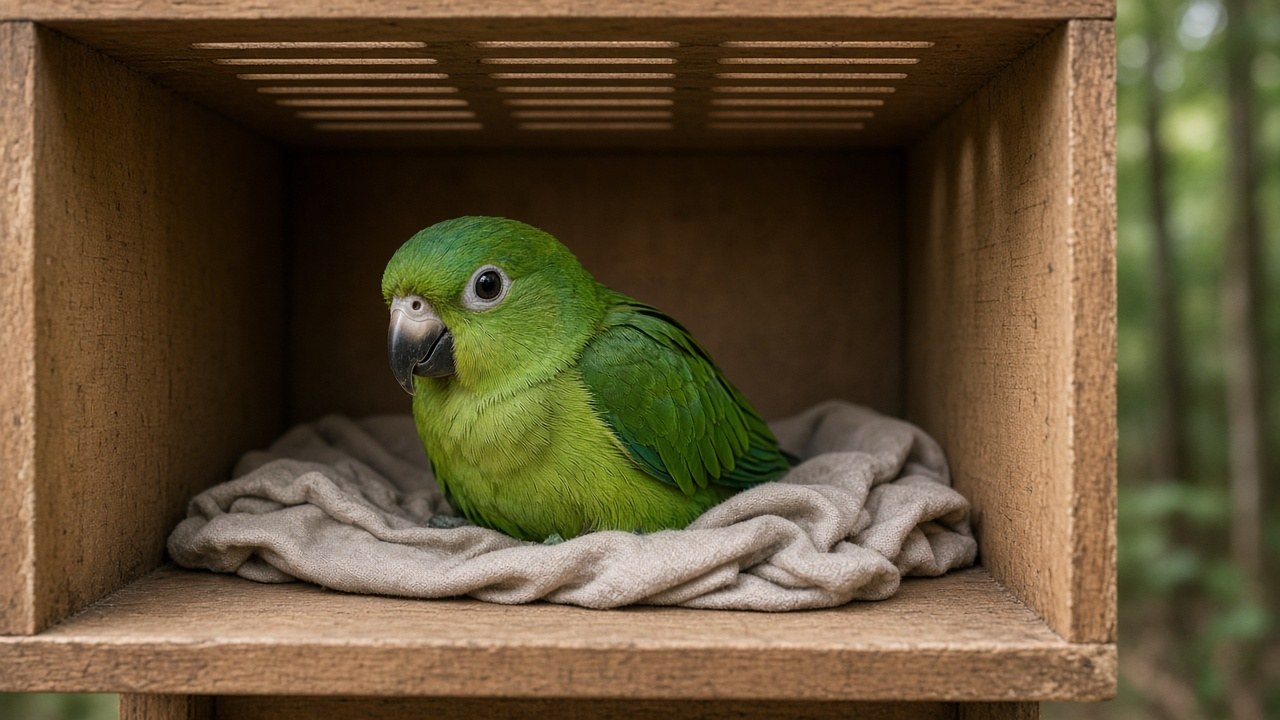
A squeeze like that can hurt a small bird in ways that aren’t obvious right away, so the parrot was kept under observation overnight.
It turned out to be in remarkably good shape. The very next day, it was released back into the forest.
“This little survivor — barely a month out of the nest — was back in the forest, flying with its flock again,” the Fish and Wildlife Service wrote.
The snake was captured too. Working with the University of Puerto Rico at Mayagüez, the agency sent it to a laboratory so scientists can learn more about what these boas are eating.
Why One Bird Matters So Much
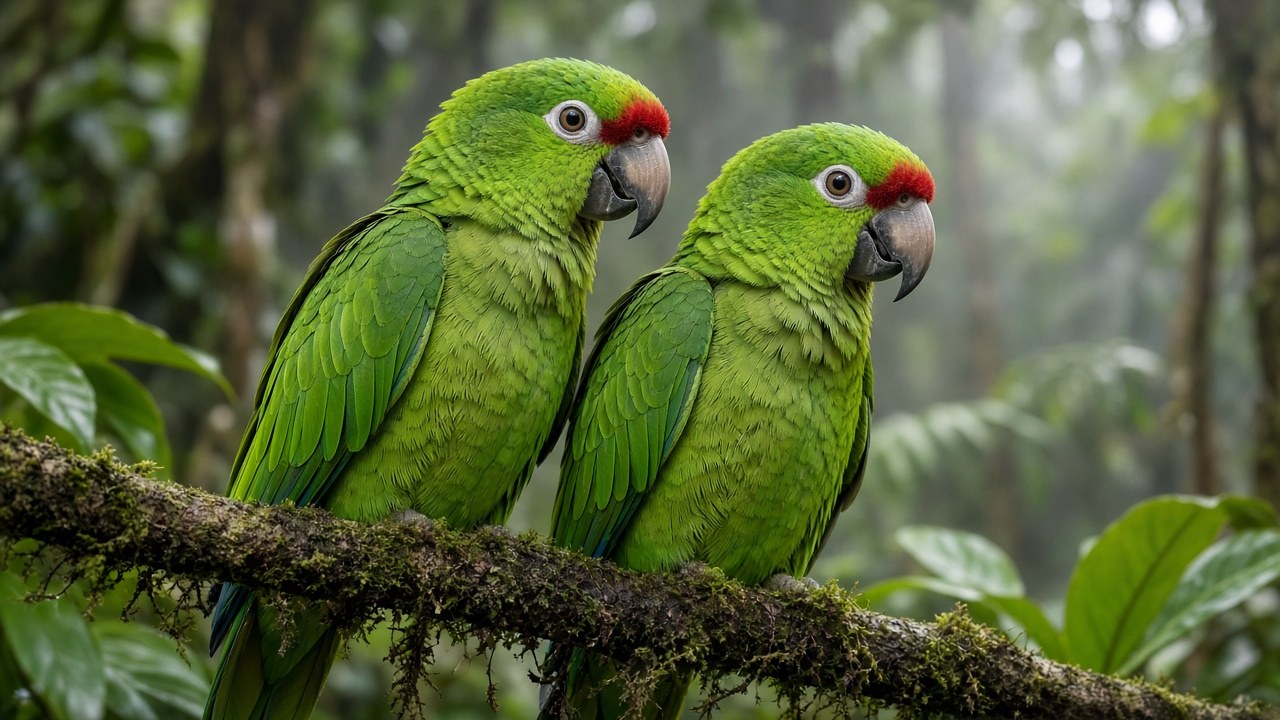
For most birds, a close call like this would be a small story. For the Puerto Rican parrot, every single bird counts.
The bright green parrot, known by its Taíno name, iguaca, is found only in Puerto Rico and is critically endangered. In 1975, the wild population fell to just 13 birds. Years of captive breeding and releases into protected forest have slowly brought the numbers back up, but only a few hundred are believed to live in the wild today.
“The Puerto Rican parrot is not only emblematic of the island’s beauty but also a symbol of resiliency,” said Leopoldo Miranda-Castro, the Fish and Wildlife Service’s regional director for the South Atlantic-Gulf and Mississippi regions, which include Puerto Rico.
A Snake That Doesn’t Belong
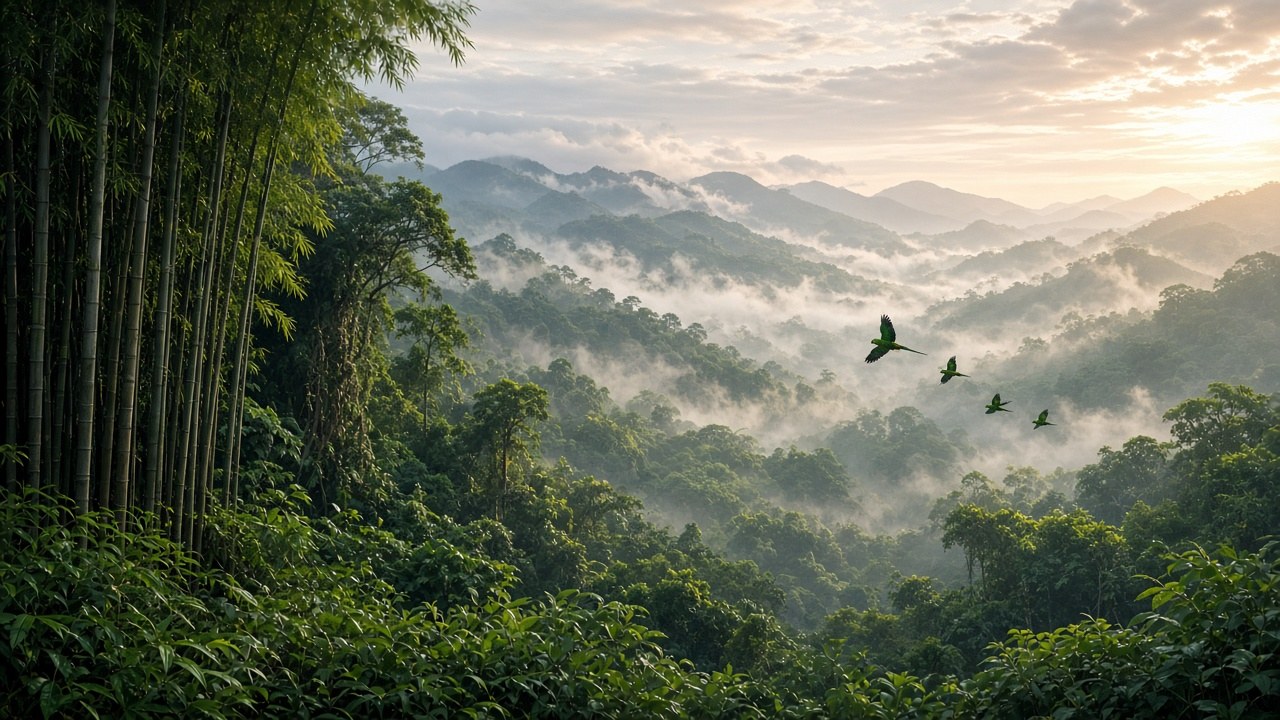
The red-tailed boa, also called the boa constrictor, is not supposed to be in Puerto Rico at all. It is native to Central and South America and is believed to have arrived on the island in the 1990s through the exotic pet trade.
With nothing to hunt it, it has spread and become a serious threat to native wildlife. It can grow more than 10 feet long, bigger than the island’s own native boa, and it is now illegal to keep as a pet in Puerto Rico.
That makes the people working in these forests one of the parrots’ best lines of defense. This time, the flock sounded the alarm, and someone was close enough to hear it.
Somewhere in the Maricao forest tonight, a young green parrot is roosting with its flock, alive because of a few frantic squawks and one quick swing at a bamboo stalk.
Related Posts
 A Stranger Honked Like Crazy at Their Car. A Tiny Kitten Was Hanging On Underneath
 A Teen Once Left Flowers on Strangers’ Cars Just Because. Now Her Family Does It for Her
 Lana’s Story Part 31: Two Blue Folders at the Pasture Gate
 A Tiny Bat Clung to a Porch for Two Days. Rescuers Soon Realized How Rare She Was
 He Admired the Lamborghini Every Morning While Cleaning the Gym Floor. Then the Owner Handed Him the Keys
 Lana’s Story Part 30: The Last Picture on the Card