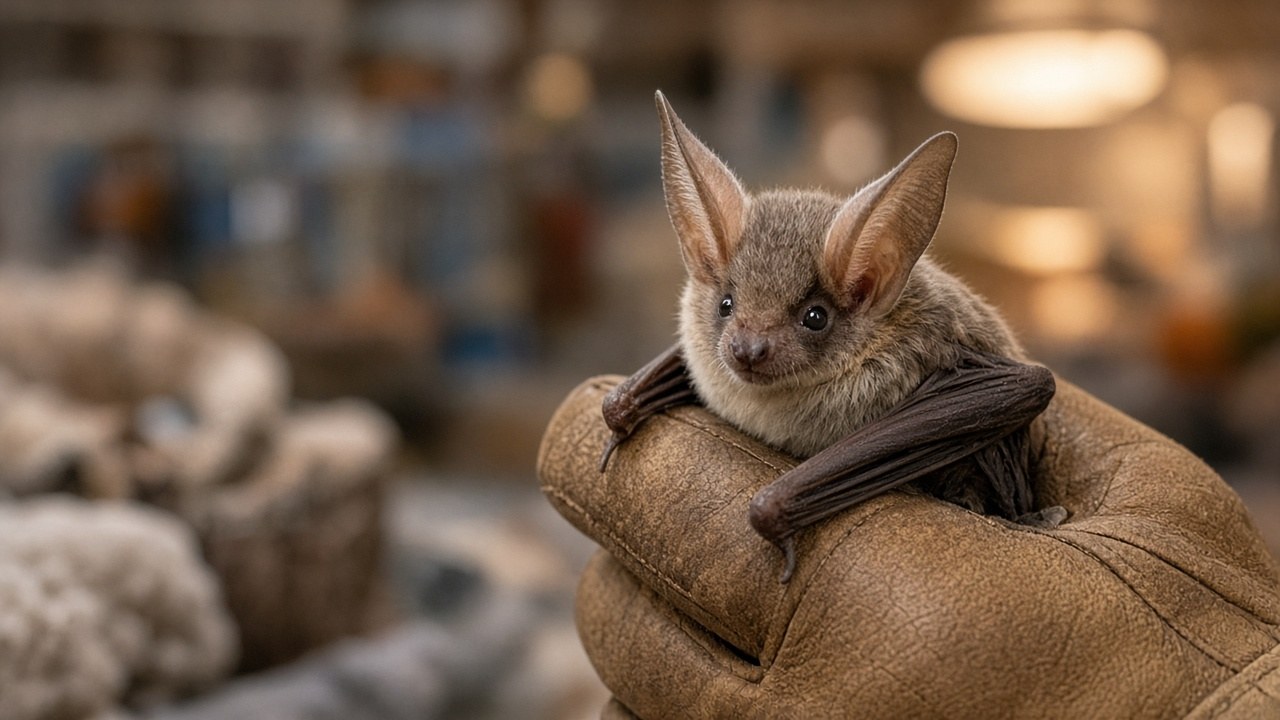
For two whole days, a tiny brown bat hung in the same spot on a porch in downtown Lancaster, Pennsylvania, about 12 feet off the ground.
To anyone walking by, she probably looked like she was just resting. But wildlife rescuers know better. A bat that stays exposed to the weather in one place for that long is in trouble.
And when they finally got her down, they realized this was no ordinary bat.
Two Days on a Porch
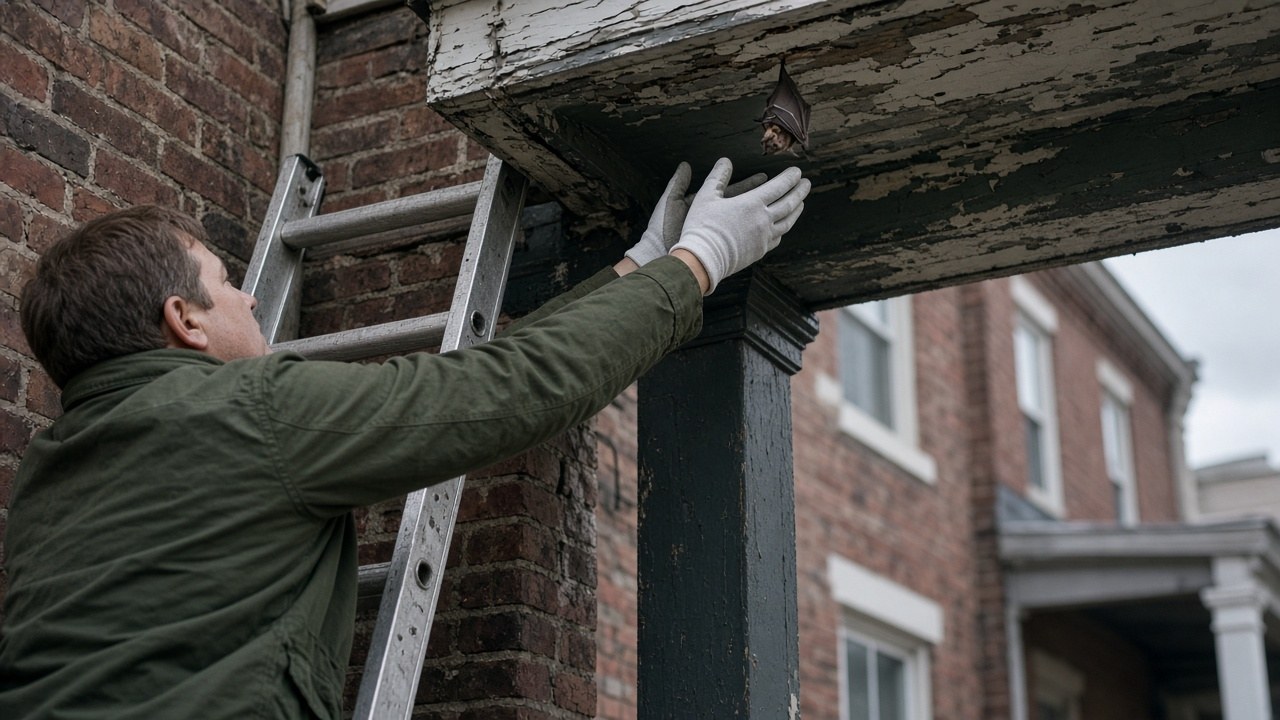
The call reached Raven Ridge Wildlife Center, a rehabilitation center in southern Pennsylvania, through Pennsylvania Bat Conservation and Rehabilitation. A team member headed to the house with the gear needed to reach her.
“Being exposed to the elements in one spot for that long constitutes an emergency,” Raven Ridge explained on Facebook.
The rescuer carefully lifted the young female off the porch and brought her down. Up close, it was clear how much she had been struggling. She was severely dehydrated and badly underweight, at just 6 grams. That’s about a fifth of an ounce, less than three pennies.
Something About Her Face
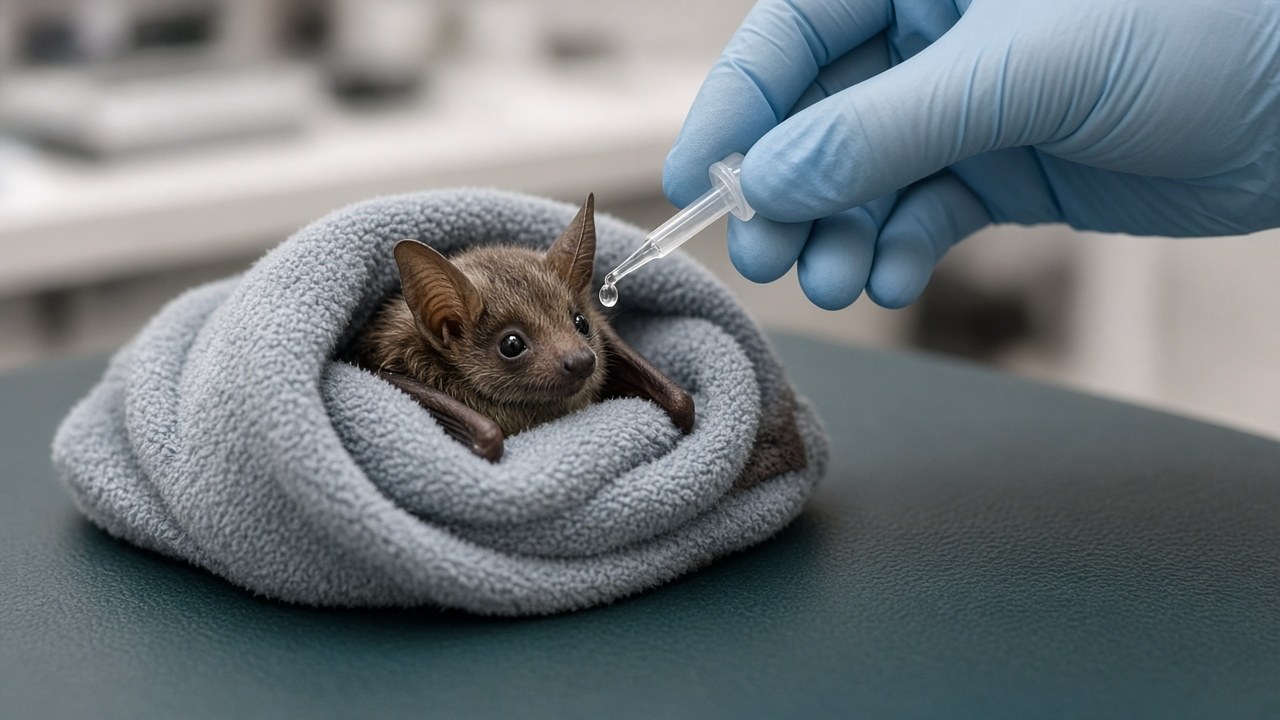
Raven Ridge cares for plenty of small bats, but this one looked different.
After stabilizing her, the team sent photos to Pennsylvania Bat Conservation and Rehabilitation. The answer came back: she was a northern long-eared bat, known to scientists as Myotis septentrionalis.
That was a big deal. This is one of the most threatened bats in North America.
Why One Bat Matters So Much
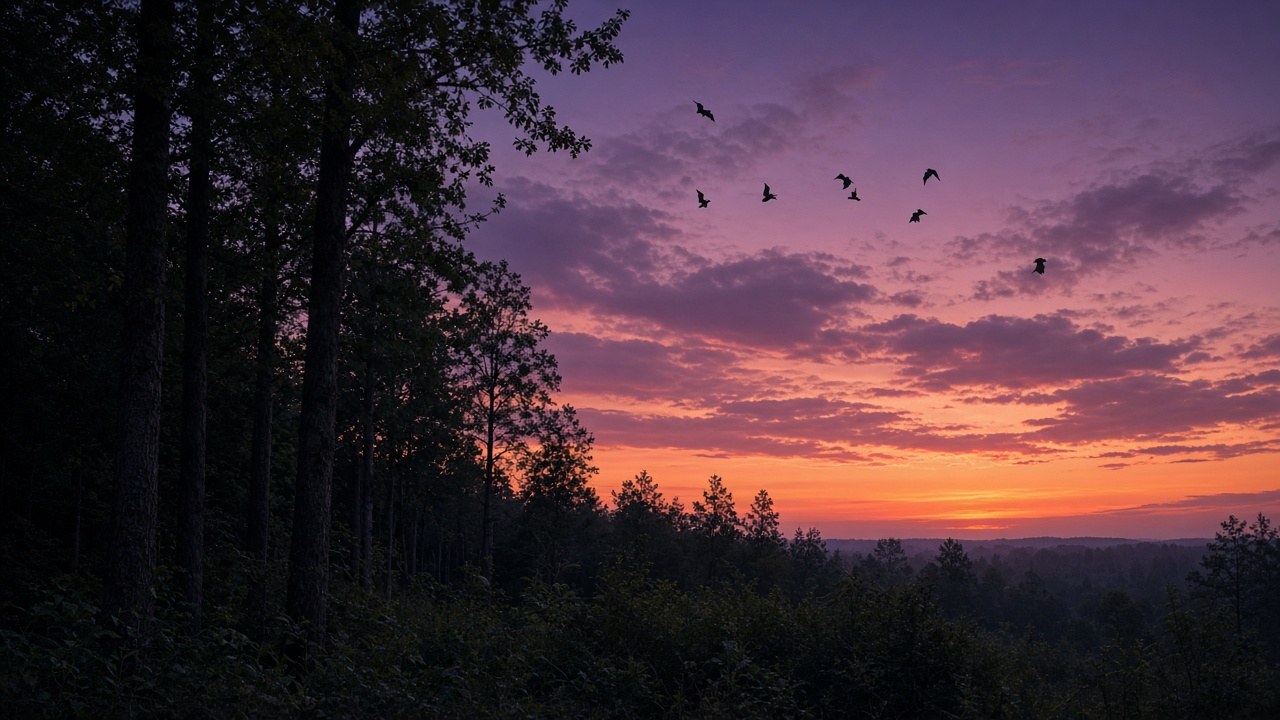
Northern long-eared bats have been devastated by white-nose syndrome, a fungal disease that has killed millions of bats across the United States and Canada.
“Sadly, northern long-eared bats are now critically endangered in North America, with their population dropping by as much as 97% to 100% because of white-nose syndrome,” Tracie Young, director of Raven Ridge Wildlife Center, told Popular Science.
On March 31, 2023, the U.S. Fish and Wildlife Service moved the species from threatened to endangered under the Endangered Species Act. Today it is protected at both the state and federal levels.
When a species has lost nearly everything, every single young female that survives counts. She may one day raise pups of her own.
A Drive to the Specialists

Raven Ridge knew this little bat needed more than standard care. She needed people who work specifically with endangered bats.
So once she was stable, a Raven Ridge volunteer drove her about an hour to Pennsylvania Bat Conservation and Rehabilitation, which focuses on the research and rehabilitation of critically endangered bats.
“Although this is just one small bat, it is crucial that it receives proper care and is placed with others of its species to enhance its chances of survival,” Raven Ridge wrote.
Flying Beautifully
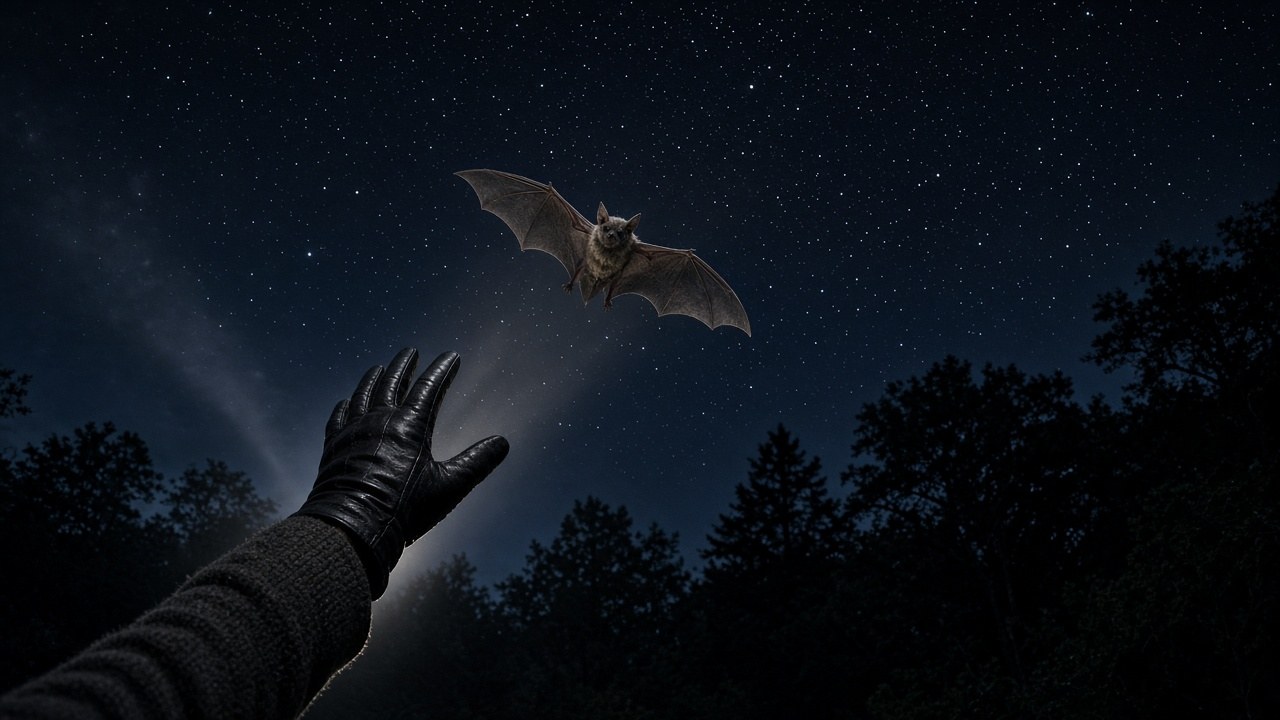
Later, the update everyone was hoping for arrived. The little bat was healthy enough to go home.
A release video shows her perched on a woman’s gloved hand at night. Then, in a blink, she launches into the dark and is gone.
“Even though this is just one bat, it was important to get this bat to the rehabber who specializes not only in bats but also in those in a critically endangered status,” Young told Popular Science. “The video shows her flying beautifully. This effort was a wonderful partnership between Raven Ridge Wildlife Center and PA Bat Conservation and Rehabilitation.”
It is also a reminder of what to do if you ever spot a bat that seems stuck, hurt or out in the open during the day: don’t touch it with bare hands. Call a licensed wildlife rehabilitator, like the people who saved this one.
This rescue started because someone noticed a tiny bat that wasn’t moving. It ended with one of North America’s rarest bats flying free again into the night sky.
Related Posts
 A Stranger Honked Like Crazy at Their Car. A Tiny Kitten Was Hanging On Underneath
 A Teen Once Left Flowers on Strangers’ Cars Just Because. Now Her Family Does It for Her
 Lana’s Story Part 31: Two Blue Folders at the Pasture Gate
 He Admired the Lamborghini Every Morning While Cleaning the Gym Floor. Then the Owner Handed Him the Keys
 Lana’s Story Part 30: The Last Picture on the Card
 A Flock of Endangered Parrots Screamed for Help. A Biologist Followed the Noise and Found a Boa Squeezing a Baby