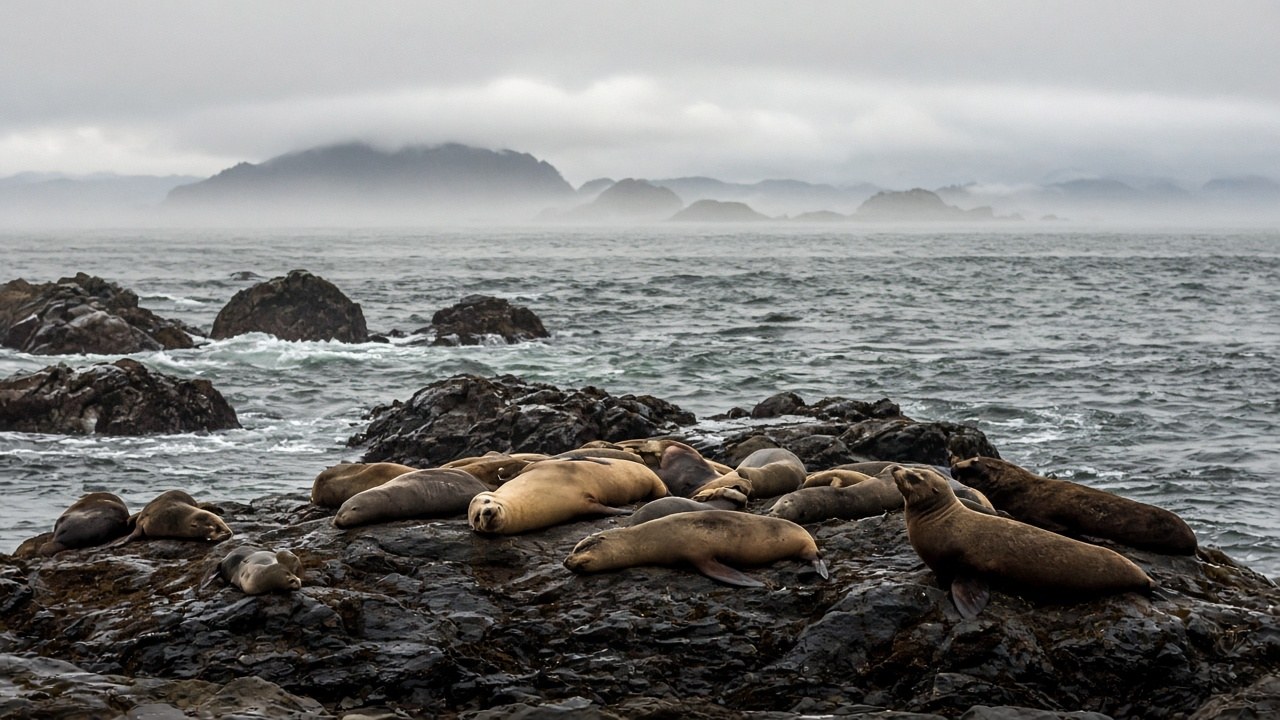
For about a year, a California sea lion lived with a thick industrial rubber band cutting into its neck off the shores of Metchosin, British Columbia. On October 6, 2026, a rescue team finally got close enough to sedate him, cut the band free, and send him back into the water tagged and breathing easier.
According to Victoria News (October 14, 2026) and a first-hand October 9 post on the Race Rocks Ecological Reserve site by Eco-Guardian Kendra Luckow, the operation brought together the Vancouver Aquarium Marine Mammal Rescue Society, Fisheries and Oceans Canada, Pearson College UWC’s Eco-Guardians, and a veterinarian who knows how to dart a sea lion without losing him to the tide.
A Band That Had Been Cutting for a Year
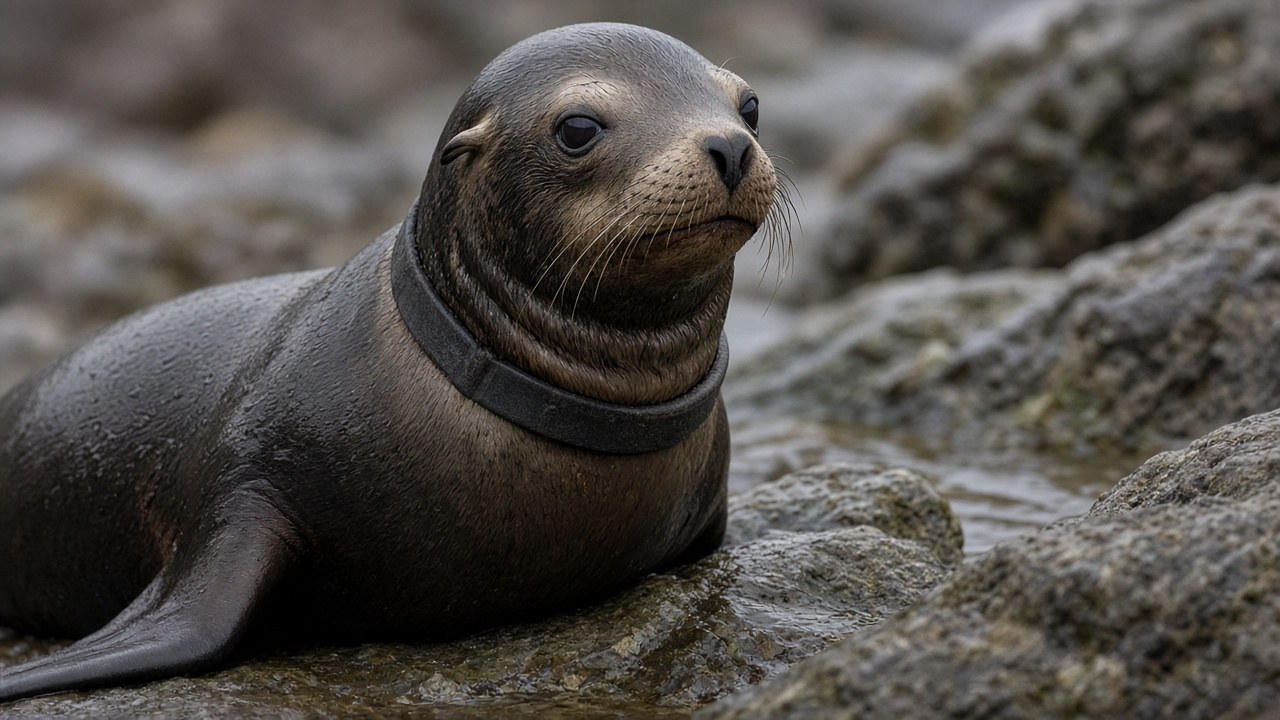
The animal was first seen around Race Rocks Ecological Reserve — about two kilometres from Metchosin’s shores — in October 2025. Rescuers could not intervene then because he did not stay long enough.
When he reappeared in September 2026, Pearson College UWC Eco-Guardians began watching him every day, waiting for weather and timing that would let a boat team work safely. That window opened on October 6.
Victoria News reports the entanglement was a thick industrial rubber band cutting deeply into his neck. Race Rocks Eco-Guardian Kendra Luckow, who also works as a Registered Veterinary Technologist with the Marine Mammal Rescue Society, noted that bands like these turn up on commercial crab traps and in other pot fisheries — ordinary gear that becomes a slow blade when it loops a neck.
Dart, Cut, Tag, Reverse
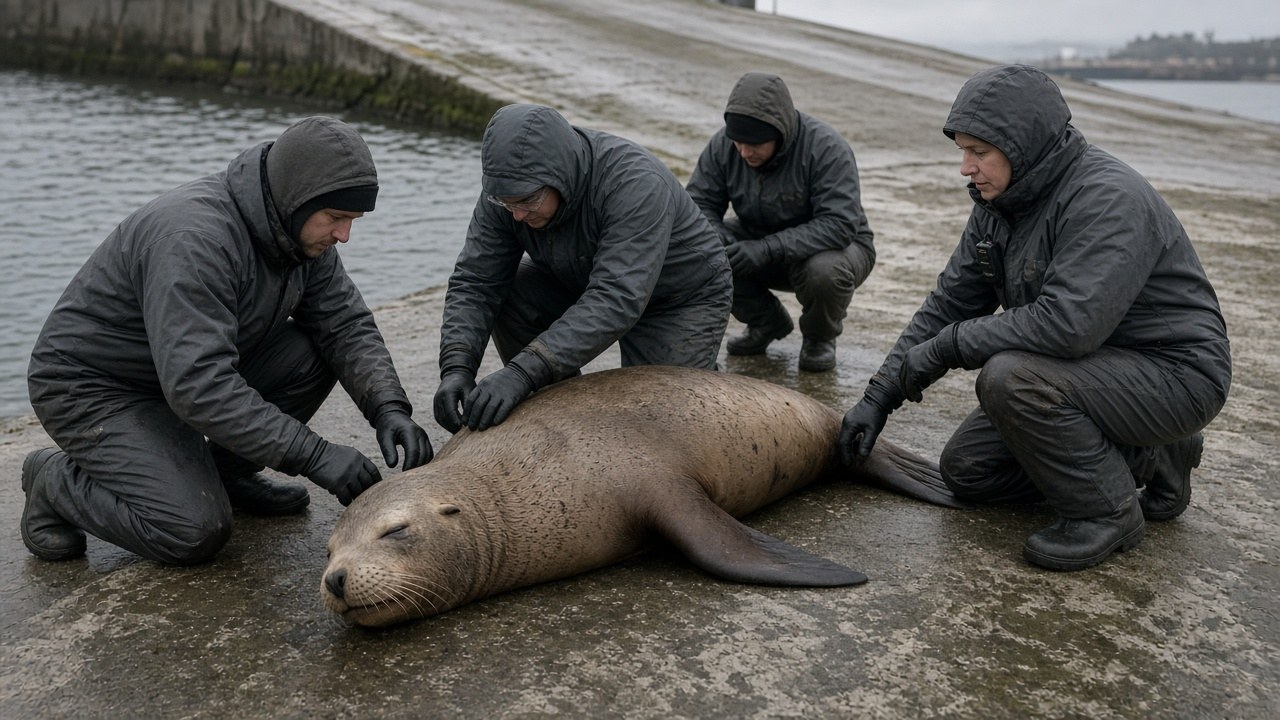
The Vancouver Aquarium Marine Mammal Rescue Society team sedated the sea lion with a dart gun using a specialized medication mix. Luckow’s Race Rocks post names Dr. Haulena as the one who darted him, and explains the protocol: deep enough to work, not so deep that the animal would drown if he slipped into the water.
After the dart, the sea lion moved only a few feet before settling on the boat-launch ramp. Sedation took roughly twelve minutes. The team then removed the rubber band, collected blood samples, and placed flipper tags on both fore flippers — identification tags, not satellite trackers — so future sightings can be matched to a spreadsheet.
Sedation was reversed. The team watched him wake, stretch, enter the water, and later haul out again on rocks near the jetty. Victoria News says he has been spotted daily since the rescue.
Patience, Drones, and a Tricky Landing
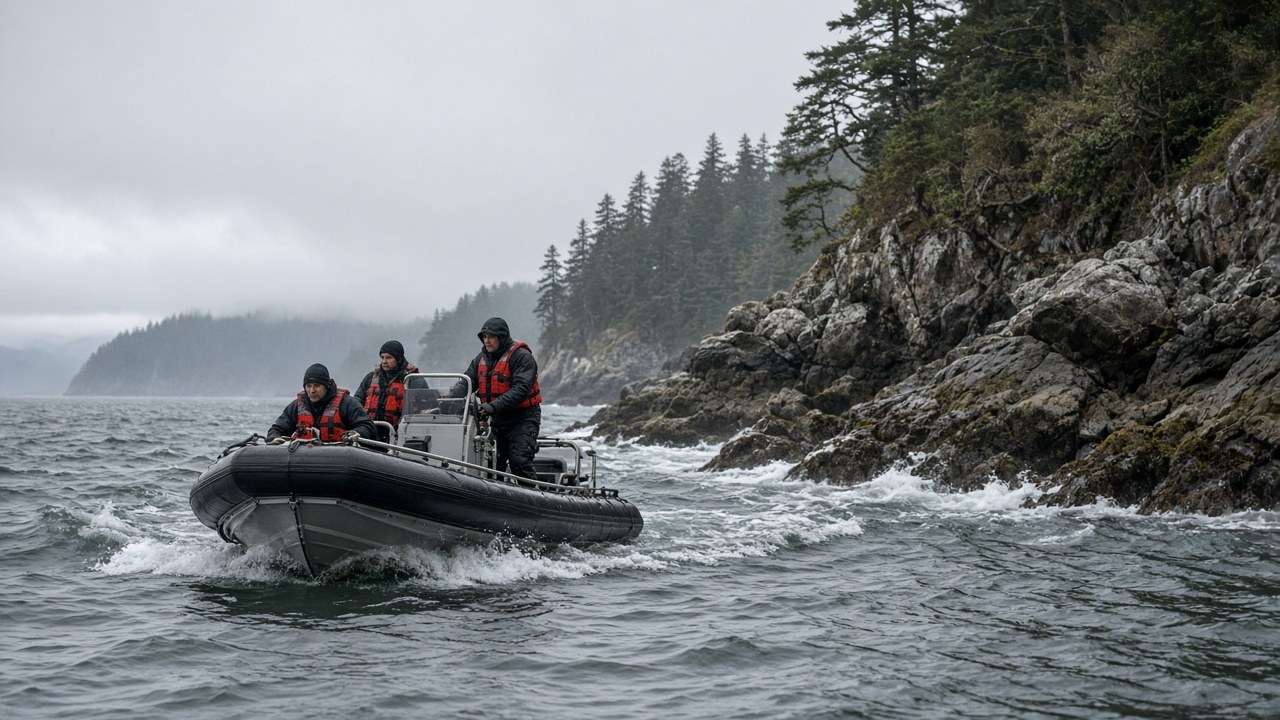
Rescues like this are logistics puzzles dressed as wildlife moments. The sea lion was sleeping high on the boat launch, which made a normal jetty landing risky — spooking the haul-out could have put him in the water before the dart. Instead, Fisheries and Oceans Canada dropped the rescue team on the south side of the island. Strong current. Rocks behind the generator building. A short scramble up. Minimal disturbance to the other sea lions.
The Marine Mammal Rescue Society publicly thanked the Race Rocks Eco-Guardians for daily monitoring, Pearson College UWC for managing the reserve and Eco-Guardian program, and Fisheries and Oceans Canada for collaboration, vessels, and drone support.
Luckow wrote that doing disentanglement work at Race Rocks is especially meaningful for her: she often finds and monitors the animal, coordinates the team, helps with the rescue, then keeps watching in the days after.
Almost 60 Percent — and an August Reminder
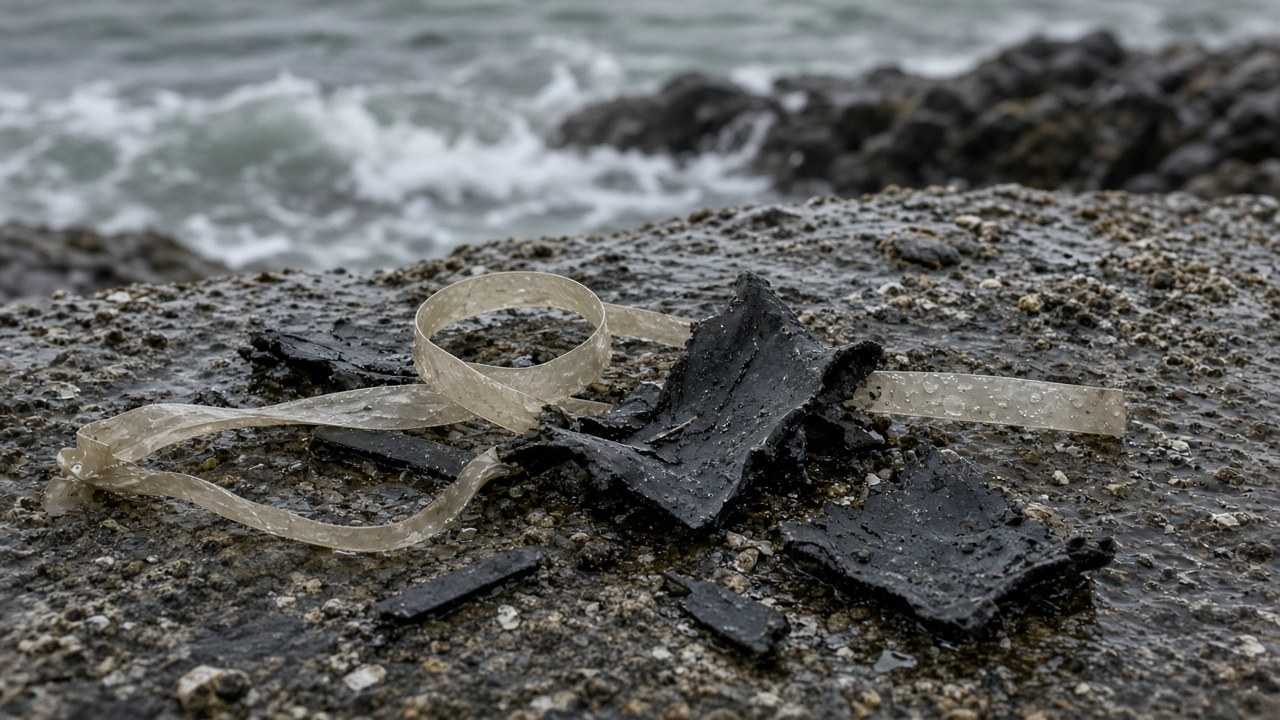
The October 6 rescue was not an isolated scare at Race Rocks. In August, crews removed a plastic packing band from an approximately 280-kilogram adult male California sea lion at the same reserve. Luckow later confirmed that August animal was still present by matching his flipper-tag numbers.
According to the Vancouver Aquarium Marine Mammal Rescue Society, nearly 60 percent of the sea lion disentanglements its team performs involve plastic packing bands. A thin loop of debris is enough to saw into hide and muscle over months.
Anyone who sees a marine mammal that looks sick, injured, or entangled is asked to call Fisheries and Oceans Canada’s Observe, Record, Report / Marine Mammal Incident Hotline at 1-800-465-4336, or the Vancouver Aquarium Marine Mammal Rescue Society hotline at 604-258-SEAL (7325) — not to approach the animal themselves.
What Metchosin’s Sea Lion Asks of the Rest of Us
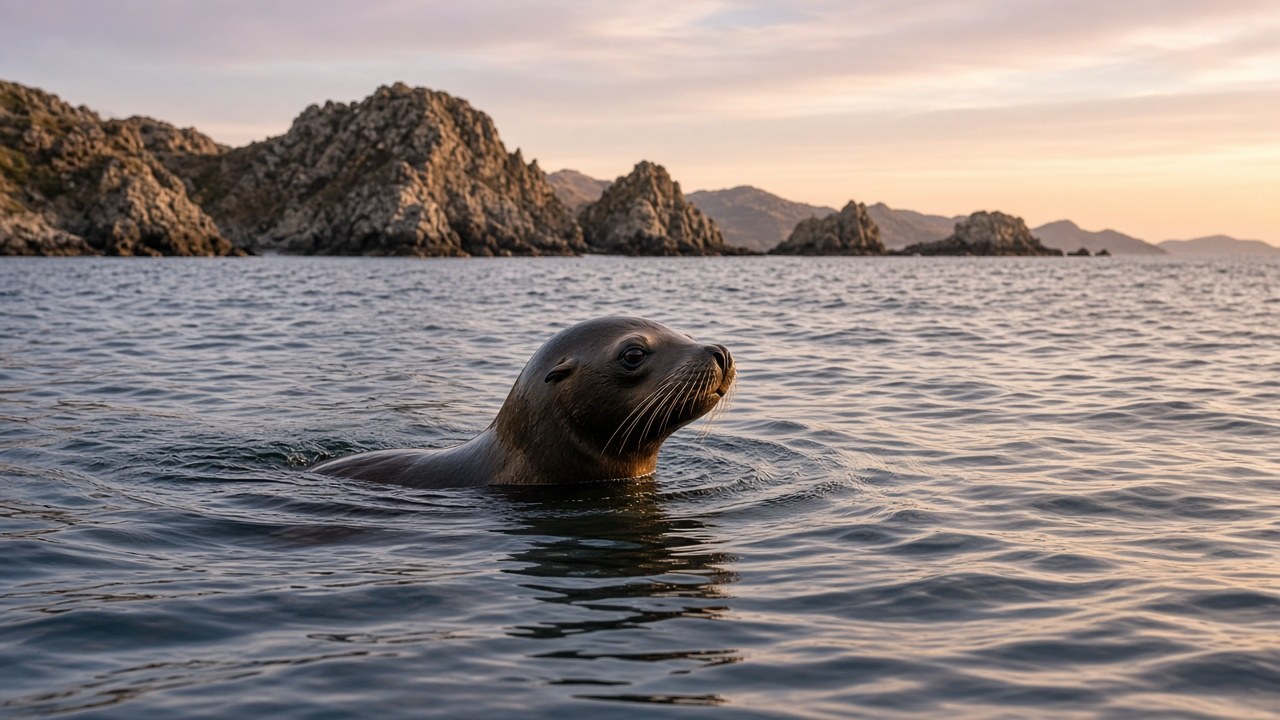
Packing bands and industrial rubber look small in a human hand. Around a sea lion’s neck they become a year-long emergency. A few takeaways from Race Rocks:
- Cut packing bands before they leave your boat, dock, or trash — one snip can prevent a disentanglement.
- Report entanglements to the hotlines above; daily Eco-Guardian monitoring is what made October 6 possible.
- Rescues need weather, vessels, vets, and patience. The September reappearance mattered as much as the October dart.
- Flipper tags turn “I think I saw him” into proof. The August male’s tags are why the team knows he is still hauling out at Race Rocks.
A California sea lion spent roughly a year wearing a rubber band like a noose off Metchosin. On October 6, Dr. Haulena’s dart, a south-side landing, and a year of watching finally ended it. He has been seen every day since. The band is gone. The lesson should not be.
Sources: Victoria News — Crews save Metchosin sea lion (Ben Fenlon, 14 Oct 2026); Race Rocks Ecological Reserve — Marine Mammal Rescue! (Kendra Luckow, 9 Oct 2026).
Related Posts
 RSPCA Threw a ‘Poodle Party’ — and All Eight Rescued Dogs Are Adopted
 Lana’s Story Part 22: The Sheriff at Two A.M.
 This Rescue Puppy Had a Heart Defect That Could Have Killed Him. Now He Has a Forever Home
 Firefighters Learned Pet CPR. A Week Later They Helped Deliver 15 Puppies
 Lana’s Story Part 21: What Was Hidden in the Hayloft
 Firefighters Saved a Cat From a Grass Valley Apartment Fire, Then Brought It Home to a Tearful Family